35mm vs 50mm Lens: Choose by Framing and Working Distance
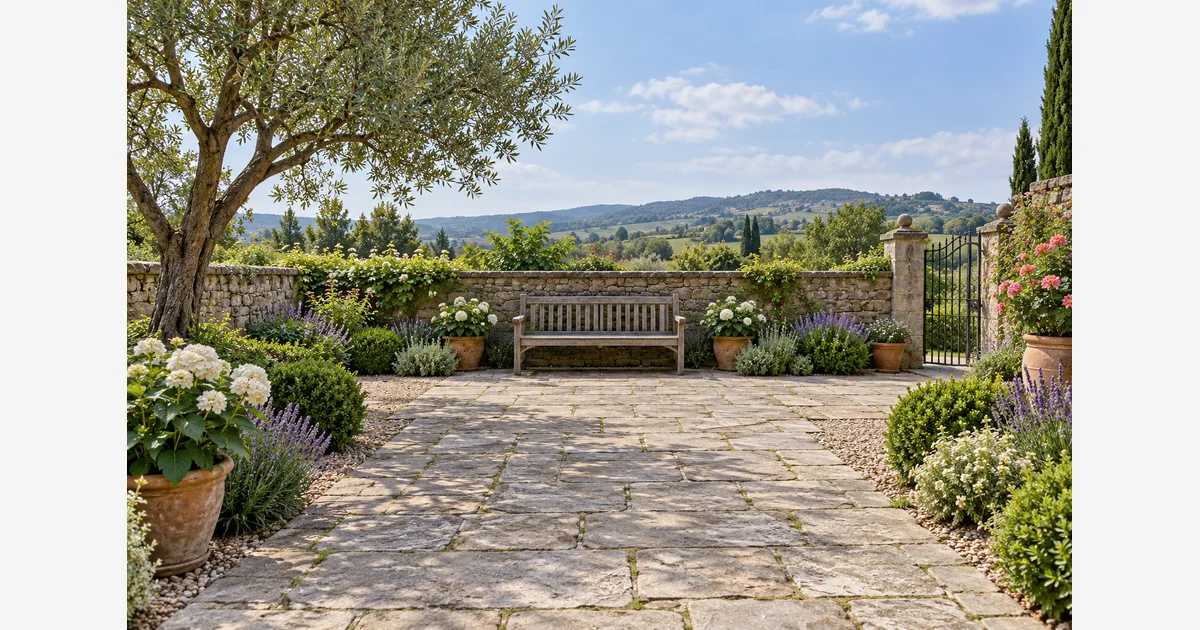
On the same camera from the same position, a 35mm lens shows more of the scene than a 50mm lens. Choose between them by working distance, the context you want around the subject, and the camera's recording format. Neither focal length is automatically the better portrait or everyday lens.
First distinguish two comparisons: keeping the camera in one place, and moving it to keep the subject the same size. The second changes your viewpoint as well as your focal length. That is why two casual sample pictures may not isolate what the lens alone changed.
35mm vs 50mm from the same position
Nikon explains that longer focal lengths narrow the angle of view. For a simple same-position illustration, the central part of a wider scene can represent the tighter framing. It does not reproduce a real lens's distortion, rendering, focus breathing, or resolving performance.
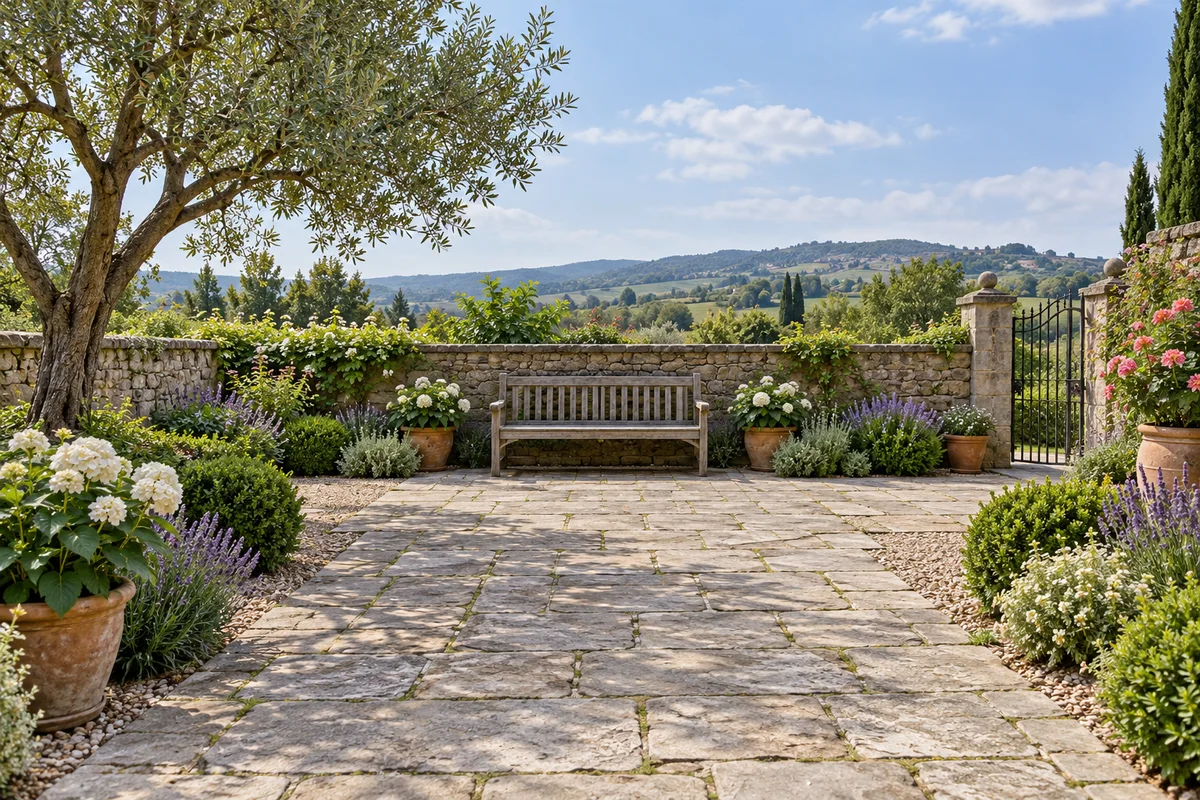
The ratio 35/50 = 0.7 gives the idealized framing for the same recording area and position; the second panel retains 49% of the source area.
The narrower view removes edge context and makes the central subject occupy more of the displayed frame. When you cannot move backward, that can make 50mm too tight for the scene. When you want fewer surrounding elements, it can be useful without changing your position.
Moving for the same framing changes the comparison
If you move farther from the subject with a 50mm lens to match a 35mm composition, you have changed where the camera sees the scene from. Relative foreground/background relationships can therefore change. Do not attribute every difference in the resulting picture to an optical “compression effect” of the focal length alone.
For portraits, choose a comfortable working distance and inspect proportions. A wider lens used very close to a face gives a different viewpoint from a longer lens used farther away. That does not make a 35mm lens unusable for people; an environmental portrait can benefit from room context and a sensible camera position.
| Situation | Useful starting comparison | Check |
|---|---|---|
| Small room or group | Try the wider view first. | Available distance, edge subjects, and distracting surroundings. |
| Portrait with room context | 35mm and 50mm at intentional camera positions. | Face proportions, background, and space around the person. |
| A tighter detail from a fixed spot | Try 50mm on the same format. | Whether subject movement or access still limits the frame. |
| One walking-around lens | Test both on your actual routes. | Which subjects require frequent steps you cannot take. |
35mm and 50mm mean different views on APS-C
Use the actual crop factor. At 1.5×, 35mm gives about a 52.5mm full-frame-equivalent view, while 50mm gives about 75mm. At 1.6× they give about 56mm and 80mm. These are angle-of-view examples, following the relationship in Nikon's crop-factor explanation; physical focal length does not change.
The format guide and calculator lets you enter another factor. When someone recommends “a normal 50mm,” establish which sensor and framing they mean before copying that recommendation onto your body.
Aperture is another independent choice. Sony's depth-of-field reference describes the roles of opening, focal length, and subject distance. Compare the actual lenses and settings; do not infer autofocus quality, background rendering, or sharpness just from 35mm versus 50mm.
Try both views without inventing a lens test
- Choose familiar subjects. Include a small room, a person with background context, and a detail from a restricted position.
- Start from the same position. If a compatible zoom covers both focal lengths, use it to explore framing. It is a framing trial, not a test of two prime lenses.
- Repeat for similar subject size. Move deliberately where possible and record the new position. Notice when a wall or a walkway prevents the adjustment.
- Use comparable output. View both compositions at a useful final size; distinguish composition decisions from processing or exposure differences.
- List the real lens requirements. Include mount, close-focus distance, maximum aperture, focus behavior, stabilization, and carrying size.
Download the 35mm/50mm framing trial (.txt)
Use the 35mm lens comparison and 50mm lens guide for model choices after the framing decision. Check Canon or Sony compatibility before buying, and use the blur diagnostic if technique is masking what either lens can do.
Sources
Frequently Asked Questions
-
A 35mm lens gives a wider view on the same format, which can help when you cannot step back. Check the actual room, subject placement, and recording crop.
-
No. Working distance, framing, face angle, background, aperture, and the actual lens all matter. An environmental portrait may benefit from a wider view.
-
For a 1.5× recording crop it gives approximately a 52.5mm full-frame-equivalent view; at 1.6× it gives about 56mm. Its physical focal length remains 35mm.
-
Yes, if it covers both focal lengths on your body, it can help you test framing and working distance. That trial does not compare the optical quality or autofocus of two primes.