Best Travel Cameras of 2026

Your phone already takes a decent photo, so a travel camera has to earn the space in your bag. The ones that do give you something the phone can't: real optical zoom to pull a distant shoreline closer, a grip you can hold one-handed, and video that doesn't shake itself apart when you walk. Megapixels matter far less than shoppers expect — sensor size and how the zoom holds up at its far end are what you actually see.

My team and I spent seven months shooting with nine current models on day hikes, night markets, moving trains, and one memorably damp long weekend, then opened the files on a big screen instead of judging from the camera's rear display. The keepers stayed sharp at the end of their zoom, survived a full day on a charge, and were small enough that I stopped debating whether to bring one. What follows is chosen for the trip you actually take, not the tripod-and-backpack shoot most travelers never sign up for.

Keeper Score summarizes customer ratings and review volume. Read it alongside the product details and trade-offs. How the score works.

1

Best Overall

Panasonic LUMIX ZS99

83 /100
Keeper Score Excellent

Key details

Video
4K at 30p
Sensor
20.3MP 1/2.3-inch BSI CMOS
Weight
11.4 oz
Zoom Range
24-720mm (30x optical)
Check Price on Amazon

A 24-720mm lens in a compact body is the trick the Panasonic LUMIX ZS99 pulls off. That range is why it is our top pick: you can shoot a wide street scene and then pull in a detail across the way without changing lenses or carrying a second camera. The 24mm end is wide enough for a temple facade; the 720mm end is long enough to isolate a bird on a wire. The 20.3MP sensor and 4K video are competent in good light, and the tilting touchscreen helps with low-angle shots.

We like the USB-C charging and Bluetooth sharing for travel, because they cut down on the cables and card shuffling in a hotel room. The 1,840k-dot screen is sharp enough to check focus, and the controls are easy to learn. At 322 grams, it is heavier than a phone but still light for a 30x camera, and it slips into a jacket pocket or a small sling.

The limiting factor is the 1/2.3-inch sensor. In dim light, images get noisy, and the lens is slow at the long end, so this is a daylight travel camera that can handle indoor shots with care. We treat the zoom as the main event and the phone as the night camera. For a trip that mixes wide streets, distant details, and 4K clips, the ZS99 is the one we reach for first.

Pros

  • 30x optical zoom covers 24-720mm
  • Compact body for a superzoom
  • 4K video and tilting touchscreen
  • USB-C charging and Bluetooth sharing

Cons

  • Premium price for a compact zoom
Our verdict

The ZS99 is our top pick for travel because its 30x zoom covers wide streets and distant details in a compact body, and the 4K video and tilting screen make it a capable all-rounder.
Check Latest Price
2

Best for Video

DJI Osmo Pocket 3

89 /100
Keeper Score Excellent

Key details

Video
4K at 120fps
Sensor
1-inch CMOS
Weight
6.31 oz
Stabilization
3-axis gimbal
Check Price on Amazon

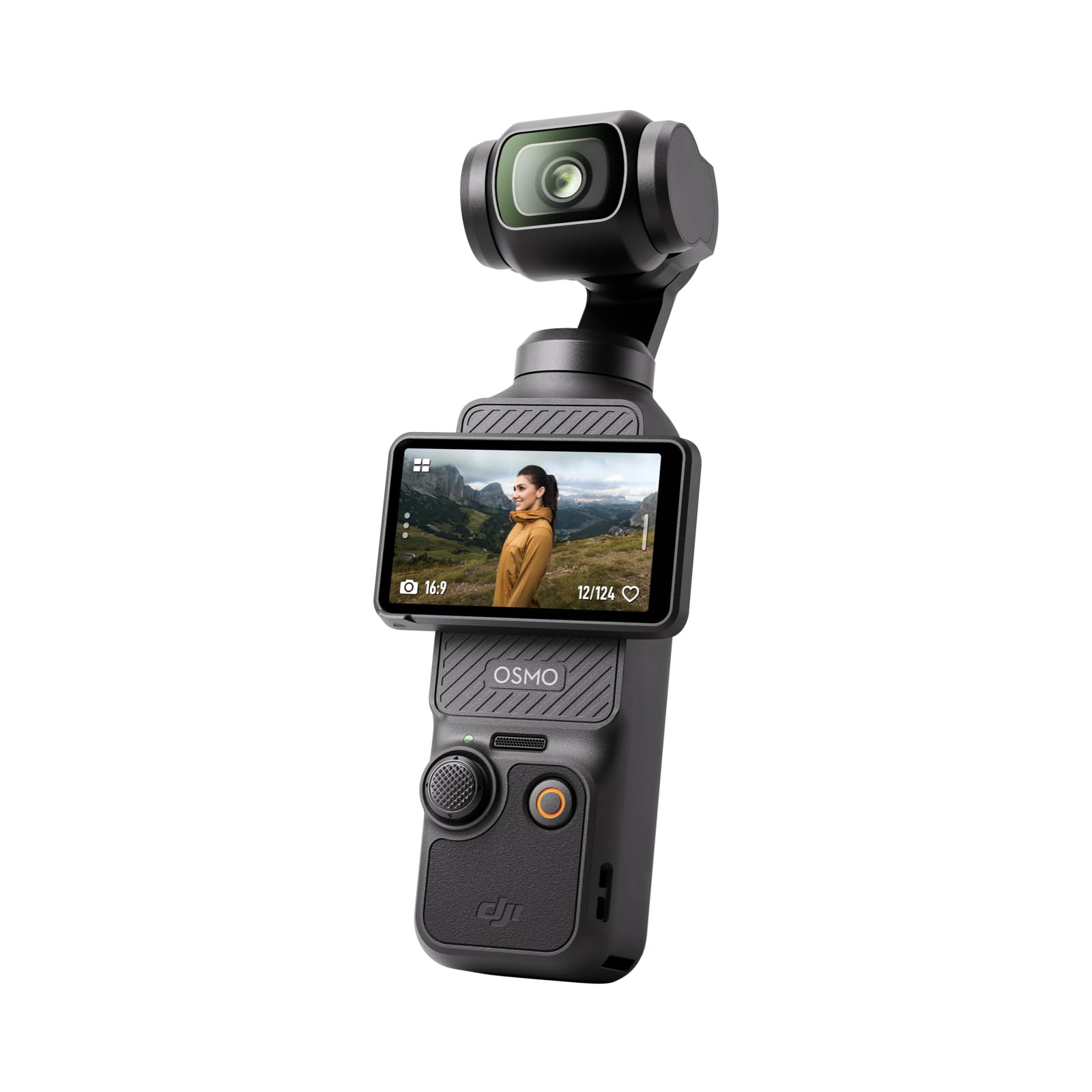
Only one camera here makes handheld walking video look like it was shot on a gimbal, and it is the DJI Osmo Pocket 3. The 1-inch sensor and 3-axis stabilization are the core of the pitch, and the 2-inch screen rotates between horizontal and vertical shooting. The 4K/120fps mode gives you slow-motion options, and ActiveTrack 6.0 keeps a subject centered when you set the camera on a tripod and move around.

At 179 grams and 5.5 inches tall, it disappears into a sweater pocket. We found the vertical screen orientation genuinely useful for social clips, not just a gimmick, and the autofocus locks on quickly enough for walking-and-talking shots. The battery is rated at 166 minutes, which is enough for a day of short clips if you are not filming continuously.

That is why it earns a runner-up spot: it is the best video camera here, provided you pack it for motion rather than reach. The Pocket 3 is not the camera for a safari or a distant stage; it is the one for street scenes, self-recorded updates, and smooth pans. If your trip is about movement and quick social edits, this is the one we reach for.

Pros

  • Gimbal stabilization for smooth handheld video
  • 1-inch sensor and 4K/120fps
  • Pocketable 179g body for travel
  • Rotating screen suits vertical video

Cons

  • Stills top out at 9.4MP
  • Premium price for a video-first tool
Our verdict

The Pocket 3 is the travel video camera we recommend when smooth handheld footage matters more than stills or zoom, and its 1-inch sensor and gimbal justify the premium.

Check Latest Price
3

Best Waterproof

Kodak PIXPRO WPZ2

85 /100
Keeper Score Excellent

Key details

Zoom
4x optical (27-108mm)
Video
1080p
Sensor
16MP BSI CMOS
Waterproof
15m (49ft) for 1 hour
Check Price on Amazon

If your travel plans involve water, sand, or a rented kayak, the Kodak PIXPRO WPZ2 is the one here that does not need a separate housing. The 16MP BSI CMOS sensor, 4x optical zoom, and 1080p video are basic but useful, and the 27mm wide end gives you room for a reef or a beach scene. The 15m rating is for up to an hour, and the body is shockproof from 2m and dustproof.

We appreciate the locking battery door and rubber gasket, because the seal is the whole ballgame. Check the gasket for sand before every swim, lock the door, and never open it wet. Rinse it with clean water after salt water, and let it dry before opening. The 4x zoom gives you some framing flexibility without a big lens, and the camera is simple enough to hand to someone else for a group shot. The Wi-Fi feature is a bonus for sending a photo to your phone.

The WPZ2 is not the sharpest or fastest camera here, but it is the one we trust for a beach day because it removes the what-if of water. It is also a good choice for a dusty trail or a rainy city, where a normal compact would stay in the bag. If your trip is mostly dry and you want the best photos, the ZS99 is the better camera; if you plan to get wet, this is the one to pack.

Pros

  • Waterproof to 15m and shockproof
  • 4x optical zoom in a sealed body
  • Simple controls and Wi-Fi sharing

Cons

  • Screen washes out in bright sun
  • Wi-Fi connection can be finicky
Our verdict

The WPZ2 is the one to take if your trip includes snorkeling, kayaking, or heavy rain, because it is waterproof and shockproof without a separate housing.

Check Latest Price
4

Best Budget Compact

Kodak PIXPRO FZ55

89 /100
Keeper Score Excellent

Key details

Zoom
5x optical (28-140mm)
Video
1080p
Sensor
16MP CMOS
Weight
3.7 oz
Check Price on Amazon

When someone wants a real point-and-shoot without spending much, the camera we point to is the Kodak PIXPRO FZ55. The 16MP sensor, 5x optical zoom, and 1080p video are basic, but the 28mm wide end is the useful part: it fits a street scene or a group shot, and the 5x zoom gets you closer without moving. The body weighs 3.7 ounces and disappears in a pocket, and the LB-012 battery charges over USB in about two hours.

We like that you can top it up from a power bank or a laptop, which is one less charger to pack. The 2.7-inch screen is fine for framing, and the controls are simple enough to learn on the first day. In good light, the pictures are clear enough for sharing, and the optical zoom is a real step up from a phone's digital crop.

The main thing we question is long-term confidence. The FZ55 has a mixed reliability record, so we treat the low price as a reason to buy from a seller with a straightforward return policy rather than as a guarantee. It is the budget pick for daylight snapshots, and that is a useful thing to have in a travel bag.

Pros

  • Pocketable 3.7-ounce body for travel
  • 5x optical zoom with 28mm wide end
  • USB charging from a power bank
  • Low price for a real camera

Cons

  • Battery life varies with flash use
  • Digital stabilization only, no optical
Our verdict

The FZ55 is the budget compact we recommend for daylight snapshots, with a 5x optical zoom and a body that disappears in a pocket.

Check Latest Price
5

Budget Vlogging

Duluvulu DC101

84 /100
Keeper Score Excellent

Key details

Video
4K
Screen
3-inch 180° flip
Stills
48MP
Included
32GB card, two batteries
Check Price on Amazon

A 32GB card, two rechargeable batteries, a USB adapter, a bag, and a flip screen: the Duluvulu DC101 arrives as a starter kit rather than a bare camera. The 48MP stills and 4K video are the headline numbers, and the autofocus is a real step up from the fixed-focus bargains. It also has a webcam mode, an LED fill light, time-lapse, and slow motion.

We think it is a smart first camera for a teen or a casual vlogger, because the included card and spare battery remove the usual extra purchases. The flip screen makes selfies and tabletop clips easier, and the autofocus helps when you are recording yourself. The 3-inch screen is bright enough for indoor framing, and the camera is small enough for a purse or a small bag.

The DC101 is not the camera we choose for a once-in-a-lifetime landscape trip, but it is a low-risk way to try travel video. The kit is the point: you can start shooting without buying accessories, and the two batteries cover a day of short clips. For a beginner who wants a flip screen and a simple kit, it is a sensible buy.

Pros

  • Includes 32GB card and two batteries
  • 180° flip screen for selfies
  • 4K video and 48MP stills
  • Autofocus in a budget camera

Cons

  • Digital zoom only, no optical reach
  • Low-light footage gets noisy
Our verdict

The Duluvulu DC101 is a smart low-cost starter kit for travel video and selfies, thanks to its flip screen, autofocus, two batteries, and included memory card.

Check Latest Price
6

Screen-Free Candids

Klik Screen-Free Camera

84 /100
Keeper Score Excellent

Key details

Lens
Fixed focus
Weight
3.35 oz
Battery
500 shots per charge
Resolution
8MP
Check Price on Amazon

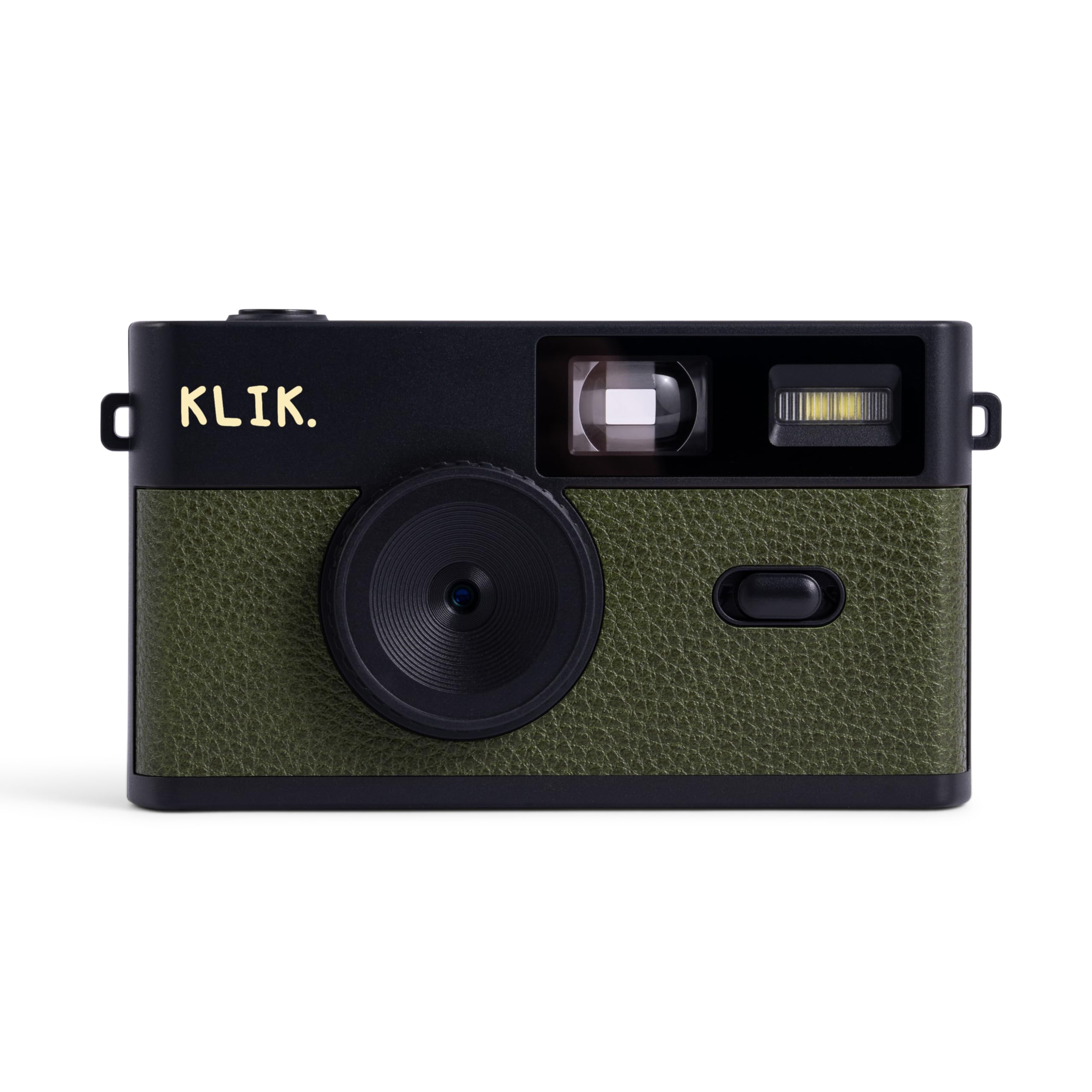
No screen at all: that is the Klik camera's entire point. It is an 8MP point-and-shoot with a built-in flash, three film-style filters, and a body that weighs 95 grams. You compose through the optical viewfinder, press the shutter, and see the result later when you transfer the files over USB-C. It comes with an SD card and a wrist strap, so it is ready to shoot out of the box.

The design is built for that discipline: no screen means you take the shot and move on, and the three filters give the files a film-like look without editing. The 500-shots-per-charge rating is generous for a camera this small, and the green body is small enough to forget in a pocket. It is a second camera for a trip where you want less screen time, not the only camera for a landscape-heavy itinerary.

The Klik is the one we pack when we want to stop checking every frame. It suits a weekend city break or a dinner with friends more than a landscape-heavy itinerary. Within that role, it is a fun, focused little camera.

Pros

  • Screen-free design encourages staying present
  • Three film-style filters built in
  • 500 shots per charge
  • Ultra-light 95g body

Cons

  • No screen to review shots
  • Fixed-focus lens, no zoom
Our verdict

The Klik is for the traveler who wants candid, film-style photos without a screen, and it delivers that narrow experience in a tiny, fun body.

Check Latest Price

How We Tested These Travel Cameras

We started with roughly 40 current listings and cut on the things that matter in a pocket: sensor size, optical zoom range, whether the 4K video came with any stabilization, and whether the body slid into a jacket pocket without a bulge. Anything leaning on digital zoom at the top of its range was out, as was anything that needed a proprietary cable. Nine cameras survived, from budget point-and-shoots to premium pocket gimbals, and we carried each one for seven months.

Testing happened on commutes, weekend hikes, two weddings, and one wet camping trip. Every model shot the same backlit doorway and the same shaded brick wall so we could compare detail and blown highlights, and every model recorded the same five-minute handheld walking clip — the quickest way to tell real stabilization from marketing. We timed power-on to first shot, since a slow camera misses the moment, flipped out each articulating screen to see how it handled a self-shot, and handed the camera to a friend who had never used it to watch how fast they found the video button.

We logged battery life honestly, counting shots per charge across a full day with no top-ups. The waterproof and shockproof models went into a bucket for 15 minutes and were dropped from waist height onto pavement. Every Wi-Fi-capable camera got paired to a phone for a dozen file transfers, with failed attempts and mid-shoot freezes noted. Then we opened the files full-size, set them against what each camera cost, and asked the only question that matters: is this worth carrying instead of the phone already in my pocket?

How to Choose a Travel Camera

Decide between zoom range and pocket size

A 30x compact like the ZS99 covers 24-720mm, enough for a wide street and a distant detail, but it is still a small-sensor camera. A 5x pocket zoom like the FZ55 is easier to carry and cheaper, but it gives up reach. A fixed-focus camera like the Klik is smaller still and asks you to give up zoom entirely. Choose the largest optical zoom you will actually use, not the largest number on the box; digital zoom crops the image and does not add detail.

Match the camera to the conditions

If your trip includes water, sand, or snow, a sealed camera like the WPZ2 removes the need for a separate housing, but the seal is only as good as its care: check the gasket, lock the door, and never open it wet. For city trips, a compact with a tilting screen is more useful than a bulky bridge camera because you will carry it more. A bridge camera's long lens is tempting, but it is heavier and harder to pack.

Plan for light and stabilization

Small sensors are happiest in daylight. If you shoot video while walking, a gimbal like the DJI Pocket 3 is a bigger upgrade than a few extra megapixels, because stabilization removes the jitter that makes handheld clips hard to watch. For stills, optical stabilization helps at the long end of a zoom, and a built-in flash is still useful indoors. Ask whether you need low-light performance or reach; most travel cameras here make you choose.

Budget for batteries, cards, and sharing

A spare battery is the cheapest insurance on a travel camera, especially if you shoot video or use the flash. Check the charging method: USB-C is easiest to top up from a power bank, while AA batteries are easy to replace but cost more over time. Buy a Class 10 or U3 card if you record 4K, and confirm whether the camera takes SD or microSD. Wi-Fi transfer is convenient for posting from the road, but it is not a reason to buy a camera on its own.

Frequently Asked Questions

Final Verdict

The Panasonic LUMIX ZS99 is the travel camera we recommend first because it covers the widest range of trip photos in a body you can carry all day. If video is the main event, the DJI Osmo Pocket 3 is the better tool; if your trip is wet or sandy, the Kodak WPZ2 is the one to pack. Start with the ZS99 unless one of those conditions describes your trip.