Best Microphone Preamps of 2026

A preamp does one unglamorous job: it takes the faint signal a microphone produces and lifts it to a level your interface or recorder can actually work with. Do that by diming the gain on a cheap interface and you raise the hiss right along with the voice. A decent preamp raises the voice and leaves the hiss where it was, which is the entire reason people go looking for one.

The tricky part is that the word covers three different purchases. There are inline boosters that plug straight onto the mic cable, full-size boxes with tubes and meters, and channel strips that add compression on the way in. I've watched people buy the wrong one. Over the past seven months, my team and I ran 12 of them through podcast sessions, voiceover work, and a few loud live rooms, and the differences came down to usable gain, noise floor, and whether the thing still worked after a week loose in a gear bag.

Here's the part nobody tells you first: the gain figure printed on the housing is the least useful spec in the category. Twenty-five decibels of clean gain beats thirty decibels of hiss every time, so value here is really measured in how quiet the last few decibels are. The picks below are the ones that stayed in the chain.

Keeper Score summarizes customer ratings and review volume. Read it alongside the product details and trade-offs. How the score works.

1

Best Overall

Cloudlifter CL-1

94 /100
Keeper Score Outstanding

Key details

Gain
+25 dB
Power
Standard +48V phantom, not passed through
Enclosure
Stainless steel
Connections
XLR in / XLR out
Check Price on Amazon

The first thing that changed in our testing wasn't loudness, it was where the gain knob sat. With the CL-1 between a low-output dynamic and a bus-powered interface, we could back the input down to a sane position and stop amplifying the interface's own noise along with the voice. That's the entire argument for a phantom-powered booster, and the Cloudlifter makes it about as simply as it can be made: 25 dB of clean lift, taken from phantom power that never reaches the microphone.

Ribbon safety is the detail worth knowing. The CL-1 draws its operating power from 48 volts without passing any of it down the line, so a passive ribbon can hang off the end of it without a second thought. It also means the box works with essentially any mic input that can supply phantom, from a small desktop interface to a mixer or a camera input with a mic preamp of its own.

Build is a plain metal barrel with an XLR at each end, and it held up to months of plugging and unplugging without a loose connector or a scratchy switch, because there is no switch. Nothing about it invites fiddling, which we count as a feature: no dial to nudge, no bypass to forget, no second power supply to hunt for behind the desk.

Where it asks for trust is cost. It's the most expensive in-line booster we recommend, and the premium buys a clean, predictable circuit in a solid body rather than more features. For one quiet dynamic mic on a desk, that's the whole job, and the CL-1 does it without ever needing your attention again.

Pros

  • +25 dB of clean gain ahead of the interface
  • Runs on phantom power, no separate supply
  • Blocks phantom from passive ribbon mics

Cons

  • Fixed 25 dB: no gain dial, filter, or tone control
  • A 4.7-inch barrel hanging at the mic end
Our verdict

The one we hand to anyone running a quiet dynamic or ribbon mic into an interface they have to crank: clean, fixed, and forgettable in the best way.
Check Latest Price
2

Best Cable-Free In-Line

Triton Audio FetHead

91 /100
Keeper Score Outstanding

Key details

Topology
Double single-ended, four matched JFETs
Amplifier
Low-noise Class-A JFET
Shielding
Shielded enclosure
Connections
Plugs directly into the microphone XLR
Check Price on Amazon

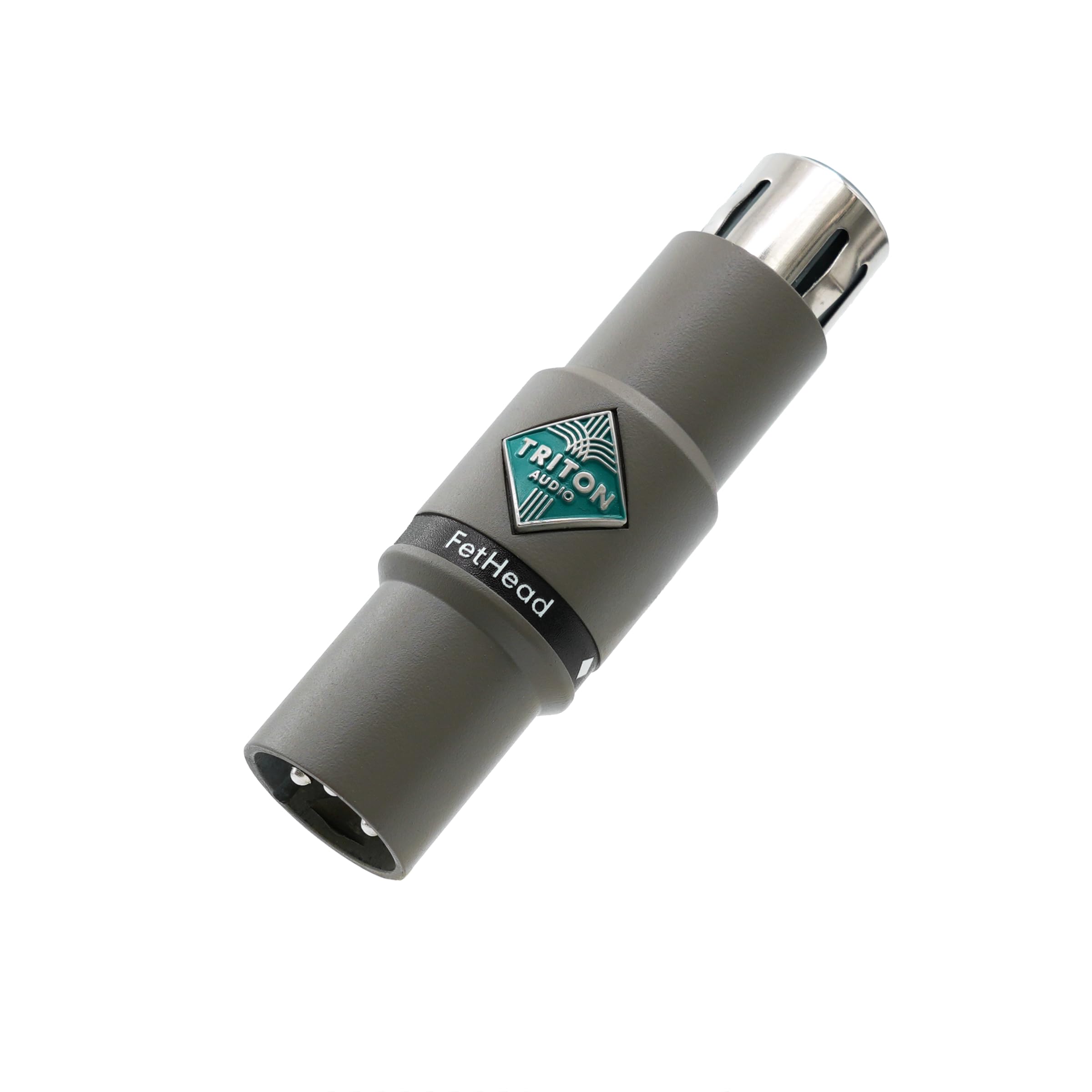
Most in-line boosters sit on a short jumper cable between the mic and your XLR. The FetHead doesn't: it plugs straight into the microphone's connector and your existing cable goes into the back of it. On a small desk, or in a bag where a four-inch lead is one more thing to lose, that's the difference between using it and leaving it in a drawer.

That's why it's the one we leave attached to the mic. The gain stage is a low-noise class-A JFET design with four matched JFETs in a double single-ended topology, inside a shielded barrel, and what we noticed was how little the character of the mic changed while the level came up substantially. On a mid-output dynamic feeding a basic interface, we got usable level with the input trimmed well back from the top of its range.

Because it hangs off the connector, the assembly at the mic end gets longer and front-heavier. That didn't bother us on a desk stand, but on a light boom arm or inside a tight shock mount, check that the extra length clears before you commit. It travels in a small pouch and has survived being thrown in a bag repeatedly, which is more than we can say for the jumper leads we've lost.

Pros

  • Plugs into the mic, no jumper cable needed
  • Low-noise class-A JFET gain stage
  • Shielded metal body that travels well

Cons

  • Fixed gain with no filter or tone shaping
Our verdict

Our pick for a cramped desk or a gig bag: it plugs into the mic itself, so you get the boost without a jumper cable to lose.

Check Latest Price
3

Best for Tight Setups

sE Electronics DM1 Dynamite

90 /100
Keeper Score Outstanding

Key details

Gain
+28 dB
Length
3.76 in
Circuit
Class-A FET, transformerless
Enclosure
Metal
Check Price on Amazon

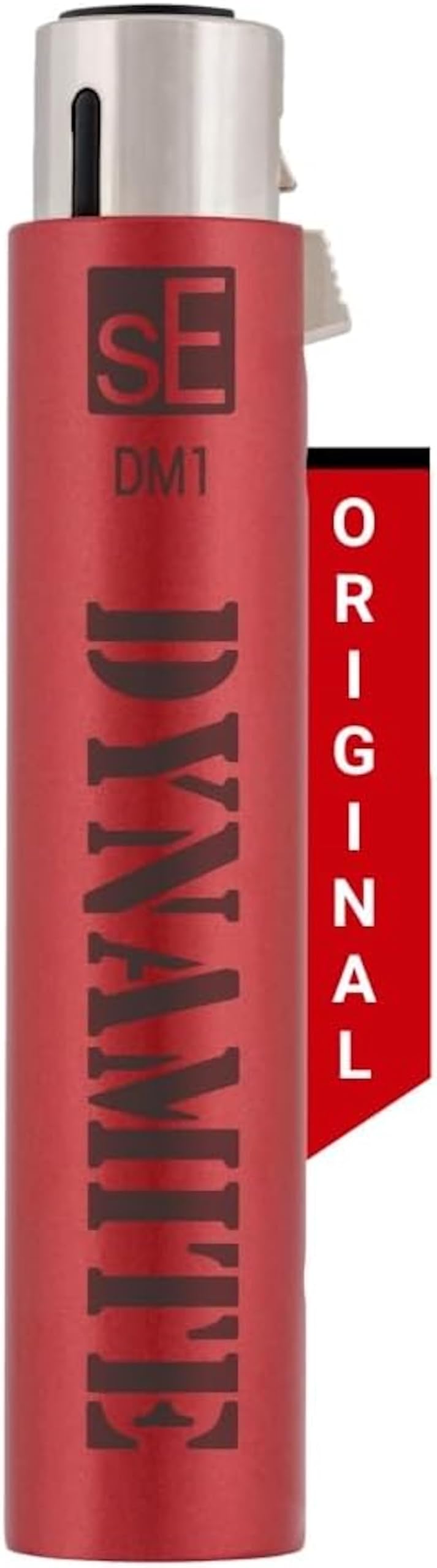
At 3.76 inches long and under half an inch across, the DM1 is the slimmest in-line preamp here, and that showed up most on a light boom arm where a heavier barrel would have dragged the mic out of position. It adds 28 dB through a class-A FET circuit with no transformer in the path, and the gold-plated XLR connectors and all-metal housing feel made rather than assembled.

The gain is fixed, so how much difference it makes depends entirely on how quiet your mic is. On a low-output dynamic feeding a modest interface we got a usable level with the input trimmed back; on a hotter microphone, 28 dB is more than you may want. Clearance is the other thing to check, because even a slim unit lengthens the plug at the back of the mic, and inside a tight shock mount that gets clumsy.

Pros

  • Slim enough to hang off a light boom arm
  • +28 dB with a transformerless class-A circuit
  • Gold-plated XLR connectors and metal housing

Cons

  • Fixed 28 dB with no pad or filter
Our verdict

The in-line booster we reach for when space is tight: 28 dB, a transformerless circuit, and barely more bulk than a cable end.

Check Latest Price
4

Best Value Clean Gain

Coda MB-1

86 /100
Keeper Score Excellent

Key details

Body
Aluminum
Gain
25 dB
Power
48V phantom power
Noise Rating
-70 dB
Check Price on Amazon

The MB-1 is a small aluminum box with an XLR in and an XLR out, 25 dB of gain drawn from 48-volt phantom power, and a -70 dB noise rating on the spec sheet. Functionally it occupies the same slot as our top pick at a lower price, which is exactly the sort of thing we want to be able to recommend without an asterisk.

We were pleasantly surprised by how little it altered the sound. It gave a soft-spoken voice usable level on a small interface without pushing the input into hiss, and the metal body doesn't feel like a corner was cut to hit the price. Against the cheaper plug-in units here, the gain felt just as steady and the noise floor just as quiet.

Where it fits is a desk that doesn't move: a mic on a stand, an interface within reach, and no appetite for swapping gear mid-session. It's the least fussy route to a clean 25 dB we've found in this group, and it doesn't ask you to learn anything first.

Pros

  • 25 dB of quiet gain for a modest outlay
  • Aluminum body rather than plastic
  • Runs from standard 48V phantom power

Cons

  • Needs a short jumper cable and somewhere to sit
Our verdict

A budget route to 25 dB of quiet gain, and the one we point people toward when the top pick's price is more than they want to spend.

Check Latest Price
5

Best for Condenser Mics

Triton Audio FetHead Phantom

90 /100
Keeper Score Outstanding

Key details

Gain
27 dB at 3000 Ω load
Power
24-48V phantom power
Connections
Balanced XLR input/output
Frequency Response
10 Hz-100 kHz (+/- 1dB)
Check Price on Amazon

The standard in-line boosters are built for microphones that don't want phantom power. The FetHead Phantom is the other case, made for mics that need the 48 volts, with a circuit that takes its own operating power from that supply rather than blocking it. If you own a condenser and a booster that refuses to pass phantom, you've already met the problem this solves.

You get 27 dB at a 3000-ohm load, balanced XLR in and out, and a stated frequency response of 10 Hz to 100 kHz. Those figures matter less than the practical result, which is that the microphone keeps behaving normally with the booster in line rather than losing its top end or picking up noise.

We like it for the narrow case it serves: a quiet condenser on a long cable run, or an interface whose own preamp gets noisy at the gain you need. It isn't the tool for a hot condenser or a loud source, because the 27 dB is always there and there's no way to dial it back. Where the level genuinely is low, it does the job and stays out of the way.

Pros

  • 27 dB in line for mics that need phantom power
  • Balanced XLR in and out, flat to 100 kHz

Cons

No notable drawbacks to flag.

Our verdict

The in-line booster to buy if your microphone needs phantom power itself: a narrow job, done without changing the mic's sound.

Check Latest Price
6

Best Channel Strip

dbx 286s

89 /100
Keeper Score Excellent

Key details

Format
Rack mountable 1U
Inputs
XLR mic and 1/4-inch line
Metering
Status LEDs
Processing
Compression, de-esser, enhancer, expander/gate
Check Price on Amazon

This is a different kind of purchase. The 286s isn't a booster you hang off a mic; it's a single-channel rack unit that shapes the signal before it reaches your interface, with a compressor, de-esser, enhancer, and expander/gate, each on its own controls with status LEDs, plus a separate 1/4-inch line input for instruments.

In a room that isn't a studio, the gate and de-esser are what earn the rack space. We found the gate clearing room rumble and computer fan noise without the artifacts we usually hear when a plug-in does the same job, and the de-esser catching sibilance on the way in rather than after the fact. The enhancer is the sleeper: a small lift at the top and bottom that makes a plain dynamic sound more expensive than it is.

What we appreciate most is that the processing is available when you want it and out of the way when you don't. For voiceover, podcasting, and radio-style work, this is the piece that makes a modest dynamic mic sound finished on the way to disk, and nothing else in this group does that at all.

The trade-offs are physical and practical. A rack unit needs a rack space and a wall outlet, and there's real learning in four processor sections before they help rather than hurt. Set conservatively, though, the gate and compressor do more for a spoken-word recording than any amount of extra clean gain.

Pros

  • Compressor, gate, de-esser, and enhancer in one unit
  • Gate clears room noise before it reaches the recording
  • Rack-mountable with status LEDs for levels

Cons

  • Takes a full rack space and a wall outlet
Our verdict

If you want broadcast-finished voice going into your interface, this is the only pick here that shapes the sound instead of just lifting it.

Check Latest Price
7

Dialed-In Tube Warmth

PreSonus TubePre v2

87 /100
Keeper Score Excellent

Key details

Tube
12AX7
Extras
Phantom power, HP filter, -20 dB pad, polarity reverse
Controls
Gain and tube drive saturation
Input Stage
XMAX solid-state
Check Price on Amazon

Two controls define the TubePre v2: gain, and tube drive. The first makes the mic louder, the second decides how much of the 12AX7 you hear, from nearly clean to audibly saturated. That separation is what makes an affordable tube preamp useful, because you can add warmth without also adding level.

Behind the tube sits an XMAX solid-state input stage and a dual-servo gain stage, and the box carries the practical furniture a preamp needs: phantom power, a high-pass filter, a -20 dB pad, polarity reverse, and separate mic and instrument inputs. It's a small desktop unit with a classic-looking VU meter, which is a nicer thing to have in front of you than a knob with no scale.

In use we reached for the drive control more than expected on close-miked vocals. A little went a long way, and past that the sound got thick rather than warm, so the useful range is narrower than the knob's travel suggests. The high-pass filter earned its keep on a desktop, where traffic rumble and handling noise sit below the voice.

It's a single channel, it takes a wall outlet, and it wants a patch of desk rather than hanging off a cable. All of that is fine if you record one voice at a time and want a tone option in the chain. If you only need level, a transparent in-line booster does that for less money and less furniture.

Pros

  • 12AX7 tube with drive control separate from gain
  • Phantom, high-pass filter, pad, and polarity reverse
  • Separate mic and instrument inputs

Cons

  • Single channel, and it needs desk space and an outlet
Our verdict

Worth it if you want tube color you can dial in separately from gain; skip it if all you need is a louder, cleaner signal.

Check Latest Price
8

Colored Studio Tone

Soyuz Launcher

88 /100
Keeper Score Excellent

Key details

Build
Individually handcrafted in-house
Power
48V phantom
Weight
1.1 lb
Character
Deliberately colored, not transparent
Check Price on Amazon

Everything else in this guide is trying to be invisible. The Launcher isn't. Soyuz built it to add color to dynamic and ribbon mics and says so plainly, which is refreshing: this is not a transparent gain booster, and buying it expecting one is the fastest route to disappointment.

What you get is an individually hand-built in-line unit powered from 48 volts, with a sound that rounds off the mids and upper frequencies instead of leaving them alone. On a flat-sounding dynamic that reads as weight and polish. On a microphone that's already dark, it can be too much of a good thing, and no amount of gain-staging fixes a tone you didn't want.

We found it most useful where a mic was doing a job it wasn't designed for, such as a broadcast dynamic pressed into singing, and least useful on sources that were already warm. It also has the sort of build you notice in the hand, which is part of what the money goes toward.

The honest summary is that the Launcher is a tone decision, not a level decision. It's the priciest thing here and it gives up the very thing the transparent boosters sell. Buy it because you want the stamp it puts on a mic, not because you need more gain.

Pros

  • Adds warmth and weight to thin dynamic mics
  • Individually hand-built with a solid feel
  • Powered from standard 48V phantom

Cons

  • Deliberately colored, so it can't pass a neutral signal
Our verdict

A character piece: choose it when you want your dynamic mic to sound warmer and fuller, not when you need a transparent gain stage.

Check Latest Price

How We Tested the Best Mic Preamps

We started by collecting every compact preamp and inline booster we could find with standard XLR in and out, then cut anything that needed its own power supply to function or shipped with no published noise figure. From that pile we chose 12 units and lived with them for seven months — mostly inline boosters, plus a tube box and a rack channel strip for comparison, since plenty of shoppers end up weighing a booster against a full preamp. Spec sheets handled the first round of filtering; the rest happened with headphones on.

Each unit went into the same chain: a dynamic mic and a ribbon mic, the same interface, the same mouth-to-mic distance. I recorded a 30-second spoken passage with the preamp in line and again without it, matched the levels, and listened back for hiss in the gaps between sentences. Then I pushed the interface gain until the noise floor became audible and noted where that happened, which told us far more about usable gain than the number on the housing. A few units also went out on live gigs and into a noisy home office, where hum and radio buzz surfaced that a quiet studio never reveals.

Reliability got its own abuse test: 20 plug-and-unplug cycles, a week in a gear bag, and a wobble check on every connector. We ran phantom power through each one to a condenser mic to see whether the pass-through genuinely worked or only claimed to. And we weighed the price of each against simply buying a better interface, because value in this category isn't the cheapest box — it's how much clean gain you get per dollar before the hiss creeps in.

How to Choose a Microphone Preamp

Diagnose the problem before you buy

Run your mic into your interface and watch the gain knob while you talk. If you're near the top of its travel and still quiet, or if the hiss rises as you push the input, you have a gain problem, and an in-line booster fixes it for less than a new interface. If the level is fine but the recording sounds thin, dull, or uneven, you want processing or color instead. No amount of clean gain changes a microphone's voicing.

That distinction decides which half of this guide applies to you. Boosters sit in the first group; the tube preamps and the channel strip sit in the second.

Match the unit to your microphone

Passive dynamics and ribbons are the classic candidates: low output, and in a ribbon's case, good reason to keep phantom power away from the element. Several in-line boosters take their own operating power from phantom and don't pass it down the line, which is what you want upstream of a ribbon. Condensers need the opposite, a unit that lets phantom through to the mic while adding gain, like the FetHead Phantom. Work out which side of that line your mic sits on before you compare anything else.

If you're unsure, the safe answer is a booster that blocks phantom and a condenser that doesn't need it. Buying the wrong one of the two is the most common way this purchase goes wrong.

Decide where it lives: plug, box, or rack

An in-line barrel plugs into the mic and mostly disappears, a cabled box needs a short jumper and a patch of desk, and a channel strip takes a rack space and a wall outlet. The plug-in ones suit a small desk and a mic that moves, but they add length and weight right at the connector, so check clearance inside a tight shock mount before you commit.

Buy for the space you actually have. A booster that doesn't fit your stand is one you'll stop using, which is the one real risk in this category.

Clean gain or deliberate color

Most in-line boosters here are built to be transparent: the point is to hear more of the microphone, not more of the box. A tube preamp or a character piece like the Soyuz Launcher does the opposite, thickening and smoothing on purpose. Neither is better; the question is whether you're fixing a level problem or choosing a sound.

When you're unsure, buy clean first. Color added at the front of the chain can't be taken back out, but you can always chase tone later with a different mic or a plug-in.

What the extra money buys

Above the entry point you're paying for build, consistency, and features rather than more decibels. A metal body, a shielded circuit, and connectors that survive a stage matter if the gear gets shared or moved. A fixed, well-behaved circuit matters more than a knob you'll set once and never touch again.

Spend up when you need processing, phantom-safe design, or a specific tone. Don't spend up just to get more gain, because the cheap units in this group deliver plenty.

Frequently Asked Questions

Final Verdict

The Cloudlifter CL-1 is the pick we stand behind for the most common version of this problem: a quiet dynamic or ribbon mic, an interface that has to be cranked, and a recording that hisses. It's clean, it's fixed, and it asks nothing of you but a phantom switch.

If you want the same job without a jumper cable, the FetHead plugs straight into the mic and costs less. And if it's the sound rather than the level that's letting you down, skip boosters and look at the dbx 286s instead.