Best Cellular Security Cameras of 2026

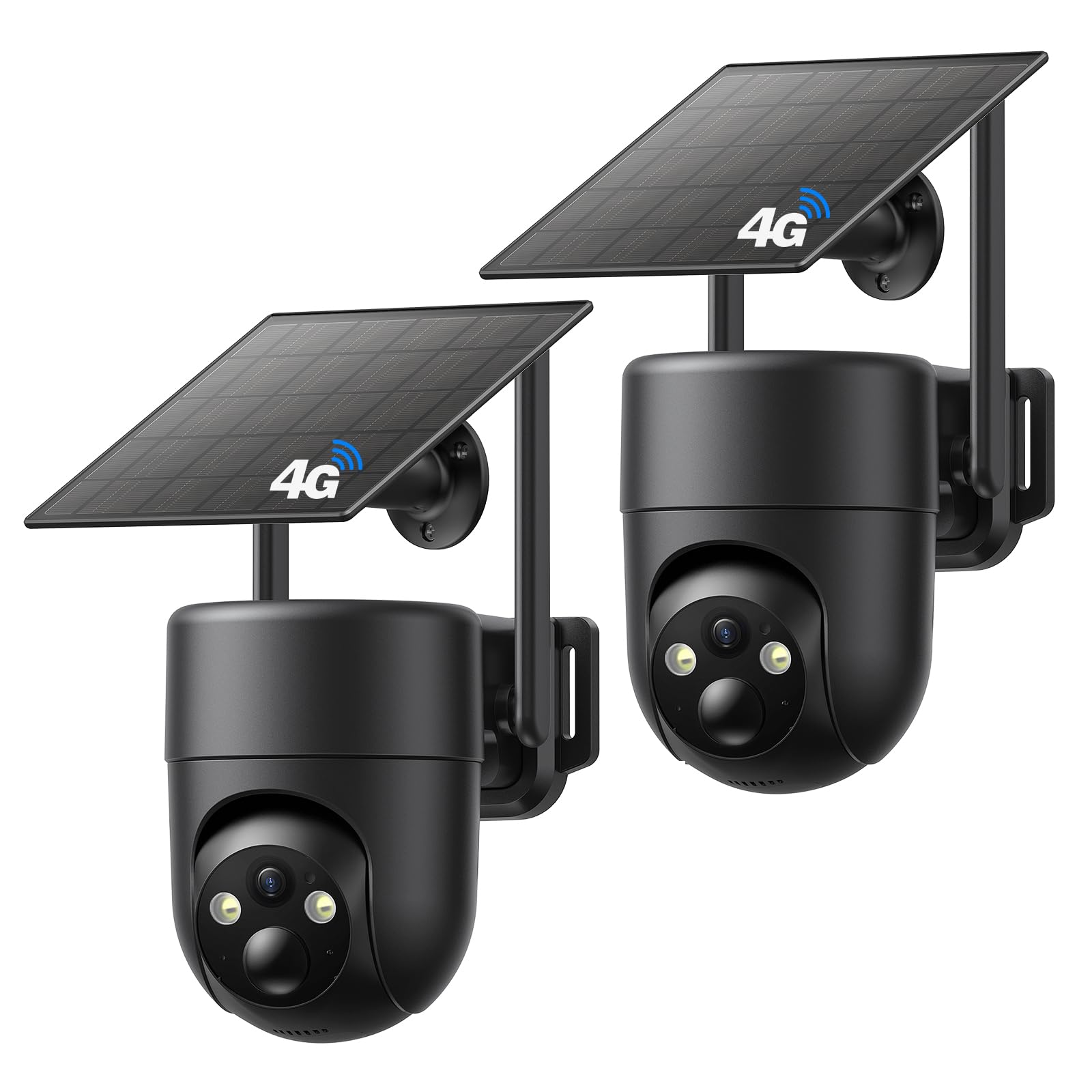
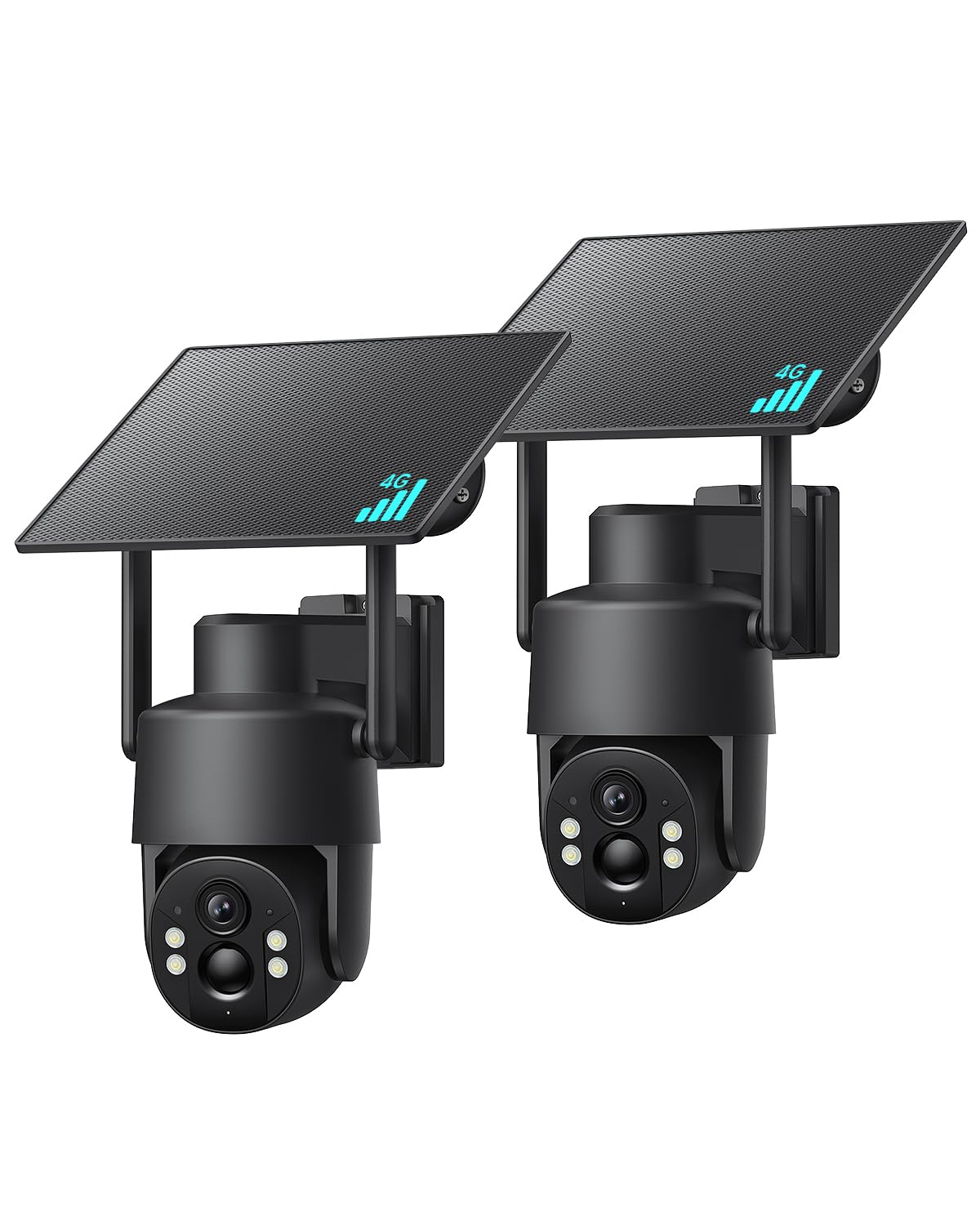
A security camera is only as reliable as the network it's standing on. Aim one down a long driveway or at a gate at the back of a field and the Wi-Fi drops to a single bar, and what you get is a spinning wheel instead of your own property. Cellular cameras cut that cord: nearly every model here ships with a SIM card already in the box, so the camera talks to the internet over a cell signal and can live where there's no router, no outlet, and nobody close enough to reset it.

We've had 12 of them mounted for the past eight months — solar panels lashed to fence posts, a couple on a job site trailer, one watching a cabin door that sits empty for weeks at a time. The lesson that took a while to sink in is that the hardware is rarely the weak link. What separates a camera you forget about from one you curse is the data plan (a few charge monthly, at least one doesn't) and whether the solar panel actually keeps up through a run of gray days.

Add color night vision that holds up after dark, motion alerts that don't fire on every passing moth, and a pan-tilt head you can nudge from your phone, and you've got something worth trusting. The picks below are built for the places where the Wi-Fi ends — not for a hallway an indoor cam could cover for a fraction of the price.

Keeper Score summarizes customer ratings and review volume. Read it alongside the product details and trade-offs. How the score works.

1

Best Overall

eufy 4G LTE Cam S330

80 /100
Keeper Score Excellent

Key details

Power
Solar + 9,400 mAh battery
Resolution
4K
Connectivity
4G LTE and Wi-Fi
Weather Rating
IP55
Check Price on Amazon

The eufy S330 is the only camera in this group that can run on either 4G LTE or Wi-Fi, and that dual-mode connection is the first thing we noticed. At a remote gate it works on the included SIM, which is set up for the three major U.S. networks; at a house with Wi-Fi, you can keep it off cellular and save data. That flexibility makes it easier to move the camera between a primary home and a weekend property without changing the whole setup.

The 4K image is the most detailed video here, and the color night vision gets help from a 100-lumen spotlight. We like that the light does more than brighten the frame: it makes the camera conspicuous, which can be a deterrent before someone gets close. The 360-degree pan and tilt cover a wide area from one mount, and the 9,400 mAh battery and upgraded solar panel give it enough reserve to stay off the charger in a sunny spot. That combination of image and power is why it is our top pick.

The trade-offs show up around installation. The IP55 housing is less sealed than the IP65 and IP66 cameras here, so we prefer it under an eave or a porch roof rather than fully exposed. The dual-mode connection makes it easy to keep the camera on Wi-Fi when you are nearby. Check the signal at the exact height and angle you plan to use, because a bar or two at ground level can disappear once the camera is under an eave.

Pros

  • 4K video with color night vision
  • Dual 4G and Wi-Fi connection
  • Large solar battery for off-grid use
  • 360-degree pan and tilt

Cons

  • AI tracking can lose people and vehicles
Our verdict

We recommend the eufy S330 as the best all-around cellular camera here for its 4K detail, color night vision, and dual 4G/Wi-Fi flexibility, provided you have a strong signal and a sheltered mount.

Check Latest Price
2

Best Budget

SEHMUA S40

86 /100
Keeper Score Excellent

Key details

Power
Solar + 10,400 mAh battery
Resolution
2K
Connectivity
4G LTE
Weather Rating
IP65
Check Price on Amazon

SEHMUA's S40 is the budget camera that does not feel stripped down. It pairs 2K video with a 360-degree pan-and-tilt head, a 10,400 mAh battery, and a 6W solar panel. The preinstalled EIOTCLUB SIM gives you a seven-day unlimited-data trial, and the camera works on the major U.S. carriers. The 6W panel is larger than many budget cameras carry, which gives the battery more margin in a spot that only gets a few hours of direct sun.

The day-to-day pieces are mostly right. Setup is straightforward, the app is easy to navigate, and the 2K image holds color at night with the built-in light. The 360 view lets one camera cover more of a driveway or yard than a fixed lens, and the PIR sensor sends an alert when something crosses the frame. We appreciate being able to pan the view from the phone rather than climbing a ladder to adjust the angle.

The limits are the ones that come with a low-cost cellular camera. Motion detection can be inconsistent, and the seven-day data trial is short; after that you need a plan to keep the camera online. The solar panel helps, but a shaded mount still asks more of the battery than a sunny one.

We recommend it for a first cellular camera or a second viewpoint where 4K is overkill. The 6W panel is the detail that makes the budget math work, because it gives the battery a real chance in a spot that only gets morning sun.

Pros

  • 2K video with color night vision
  • Large 10,400 mAh battery
  • 6W solar panel
  • 360-degree pan and tilt

Cons

  • 2K detail trails 4K at distance
Our verdict

For the lowest outlay here, the SEHMUA S40 delivers 2K video, a 360 view, and a large solar battery, making it our budget pick for a first cellular camera or a second viewpoint.

Check Latest Price
3

Best for Local Storage

REOLINK Go PT Plus

80 /100
Keeper Score Excellent

Key details

Power
Solar + battery
Storage
MicroSD up to 512GB
Resolution
5MP
Weather Rating
IP65
Check Price on Amazon

Local storage is the reason the REOLINK Go PT Plus earns a place here. It accepts microSD cards up to 512GB, so you can keep a long history of motion clips on the camera instead of paying for cloud storage or pulling every clip through a cellular connection. At 145 grams, it puts little load on a pole or branch, and the 5MP sensor produces a 2K+ image with color night vision.

The 360 pan and tilt, auto tracking, and person-and-vehicle detection make it useful for an open yard or a long approach. We like that the solar panel is included and that the camera supports a large card without forcing a subscription. If your main worry is losing footage because a cloud plan expires, this is the pick.

The Go PT Plus is also easier to move than most of the group. Its compact 3.86-inch housing and light weight mean you can try a few angles before settling on one, and the IP65 rating is enough for rain and snow. On a windy ridge, the 145-gram body and a large card are a more useful combination than a heavier camera with less local storage.

Pros

  • MicroSD storage up to 512GB
  • Light 145-gram housing
  • 360 pan/tilt with auto tracking
  • IP65 weather protection

Cons

  • Memory card sold separately
  • 5MP video trails 4K detail
Our verdict

We keep the REOLINK Go PT Plus in the lineup for its 512GB local storage and light body, which suit remote sites, though its 5MP video trails the 4K picks.

Check Latest Price
4

Best Two-Camera Kit

Oculview TC18 2-Pack

86 /100
Keeper Score Excellent

Key details

Power
Solar
Pack Size
2 cameras
Resolution
2K
Weather Rating
IP65
Check Price on Amazon

The Oculview TC18 comes as a two-camera kit, and that is the whole point: you can cover a gate and a driveway without buying two separate camera systems. Each camera has a built-in SIM, 2K video, full-color night vision, and a 360-degree view, and the pair shares the same app. For a farm, jobsite, or rental property with more than one blind spot, that package is easier to justify than a single premium camera.

The image is good for the money. The 2K sensor and 4x digital zoom give you enough detail to recognize a person at the gate or a vehicle in the drive, and the full-color night vision is more useful than a black-and-white feed when you need to identify clothing or a car color. The IP65 housing is fine for exposed outdoor use, and the solar panel means you are not running power to each location.

What we like most is the flexibility of two cameras at this price. One can sit high on a pole for a wide view while the other watches a door or equipment pad, and you can check both from the same phone without switching apps. That is a more useful kind of coverage than a single pan-tilt camera that has to choose which way to look.

Two cameras also make a difference after the sale: you can watch a gate and a back door at the same time, and the shared app keeps the check-in routine short. The kit is not trying to be a 4K flagship; it is trying to put two useful views on one screen for a budget. Two views on one screen is the part that makes the kit feel like a system rather than two separate cameras.

Pros

  • Two cameras in one kit
  • 2K color night vision
  • Solar power at each mount
  • 360-degree view

Cons

  • 2K detail falls off at distance
  • Motion detection can be inconsistent
Our verdict

Our two-camera pick is the Oculview TC18 kit, which covers a gate and a driveway with 2K solar cameras for less than a single premium model.

Check Latest Price
5

Best for Continuous Recording

ELYSOO CQ1S

85 /100
Keeper Score Excellent

Key details

Power
Solar
Coverage
355° pan, 90° tilt
Resolution
4MP
Night Vision
Color up to 49 ft
Check Price on Amazon

Always-on recording is the feature that sets the ELYSOO CQ1S apart. Most cellular cameras wake when motion is detected and sleep in between to save power and data; this one is built to record continuously, more like a plug-in camera. The 4MP sensor, 355-degree pan, 90-degree tilt, and color night vision up to 49 feet make it a serious option for a jobsite or a remote building where you want a record of everything, not just the moments that trip the sensor.

We like the idea for a site where events happen without a clean motion trigger, such as a loading area or an equipment yard. The person and vehicle detection still sends alerts, so you are not forced to watch the whole timeline, and the solar panel keeps the camera running without a power run. The 4MP image is sharper than the 2K models here, though it is not 4K.

Continuous recording is also the biggest practical hurdle. It uses more power and more data than a motion-only camera, so a shaded mount or a tight data plan can undercut the advantage. The camera needs more sun and a plan that can absorb the extra traffic. If you have both, the CQ1S is the closest thing here to a set-and-forget recorder. The 4MP sensor is what keeps the continuous feed useful; without that detail, the always-on mode is just a longer record of blurry motion.

Pros

  • Continuous 24/7 recording
  • 4MP color night vision
  • 355° pan and 90° tilt
  • Solar powered

Cons

  • Motion alerts can lag behind events
Our verdict

The ELYSOO CQ1S is the one we choose when continuous recording matters more than polish, thanks to its always-on mode, 4MP image, and solar power.

Check Latest Price
6

Best for Trail and Acreage

TACTACAM Defend 360

80 /100
Keeper Score Excellent

Key details

Power
Solar + 10,000 mAh battery
Weather Rating
IP65
Photo Resolution
4K
Video Resolution
1080p
Check Price on Amazon

The TACTACAM Defend 360 is a different kind of cellular camera: it takes 4K still photos but records 1080p video. That split matters. For scouting a trail, a gate, or a distant fence line, a crisp still can be more useful than a soft video clip, especially when the camera sends an instant alert with the image attached. The 4K still is the headline.

The 360-degree pan, tilt, and zoom from the phone is the other reason to consider it. Instead of installing three fixed cameras to watch a barn, a driveway, and a back field, you can rotate one camera to the view you need. The 10,000 mAh battery and solar panel give it off-grid staying power, and the IP65 housing is built for rain, heat, and cold. It is built more like a rugged trail camera than a polished home-security dome, which suits a cabin or acreage.

Setup is straightforward, and the instant alerts are the useful part. The adjustable mount and 360 view make it easy to aim from the ground, which is a real convenience on a tall pole or tree. We also like that it does not force you into a Wi-Fi network; LTE is the only connection, so there is no mode confusion.

The image quality is the trade-off. A 4K photo is useful, but the 1080p video is below the 2K and 4K cameras here. The camera is heavier than the compact REOLINK, so it needs a solid mount. If your priority is a sharp video record for security, choose the eufy or the REOLINK. A single sharp frame can tell you more than a minute of 1080p video on a fence line.

Pros

  • 4K still photos
  • 360° pan/tilt/zoom
  • 10,000 mAh solar battery
  • Instant motion alerts

Cons

  • Pan/tilt controls can be coarse
Our verdict

We like the TACTACAM Defend 360 for trail and acreage monitoring because it pairs 4K stills and 360-degree control with LTE-only simplicity, even though its 1080p video is a step behind.

Check Latest Price
7

Dual-Lens Coverage

VOOPEAK SC61

82 /100
Keeper Score Excellent

Key details

Power
Solar + battery
Lenses
Dual lens
Coverage
360° pan/tilt
Weather Rating
IP66
Check Price on Amazon

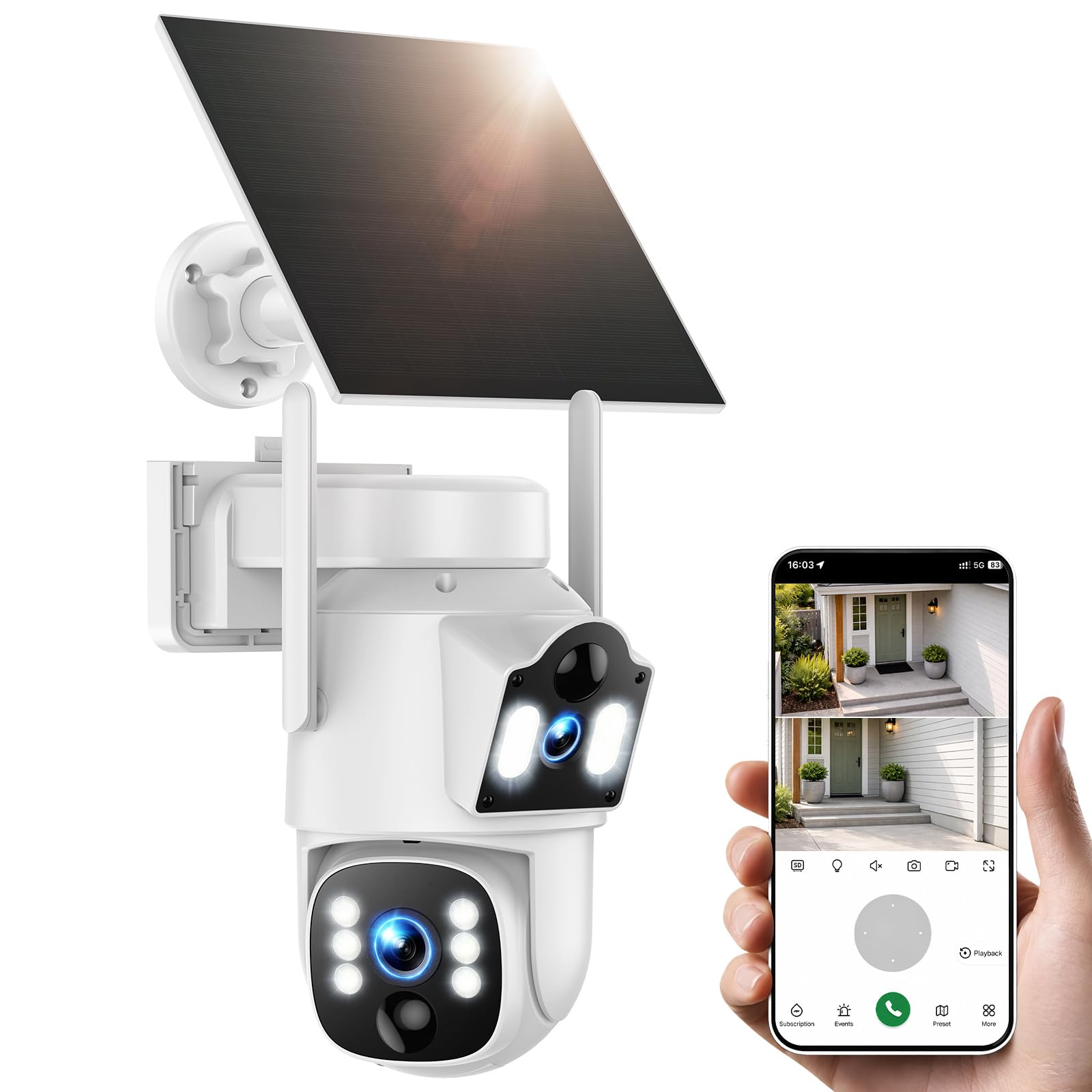
Two lenses in one housing is the reason the VOOPEAK SC61 stands out. One lens gives a fixed wide view while the other pans and tilts to track a person, so you can keep an eye on the whole yard and still follow someone across it. That is a smarter use of cellular bandwidth than a single PTZ camera that has to swing away from the gate to look at the driveway. The color night vision reaches 65 feet, the solar panel is rated at 12 watts, and the IP66 housing is more sealed than the IP65 cameras here. For a budget camera, it covers a lot of ground.

We like the fixed lens more than we expected. When the tracking lens follows a person, you do not lose the wide shot, so you can still see what else is happening at the edge of the frame. Setup is simple, and the solar panel keeps the battery topped up. The split view is busier than a single camera feed. For a tight budget and a wide area, it is a strong alternative to a single-lens pan-tilt camera.

Pros

  • Dual-lens fixed and tracking views
  • 65-foot color night vision
  • 12W solar panel
  • IP66 weather sealing

Cons

  • Memory card not included
  • 1080p video trails 2K/4K picks
Our verdict

Our budget dual-lens pick is the VOOPEAK SC61, which keeps a fixed wide view while the tracking lens follows movement and adds an IP66 housing.

Check Latest Price
8

No-Fee Data

SANSCO S52

78 /100
Keeper Score Very Good

Key details

Data
Lifetime free 4G data
Power
Solar + 7,800 mAh battery
Storage
64GB card included
Resolution
1296p
Check Price on Amazon

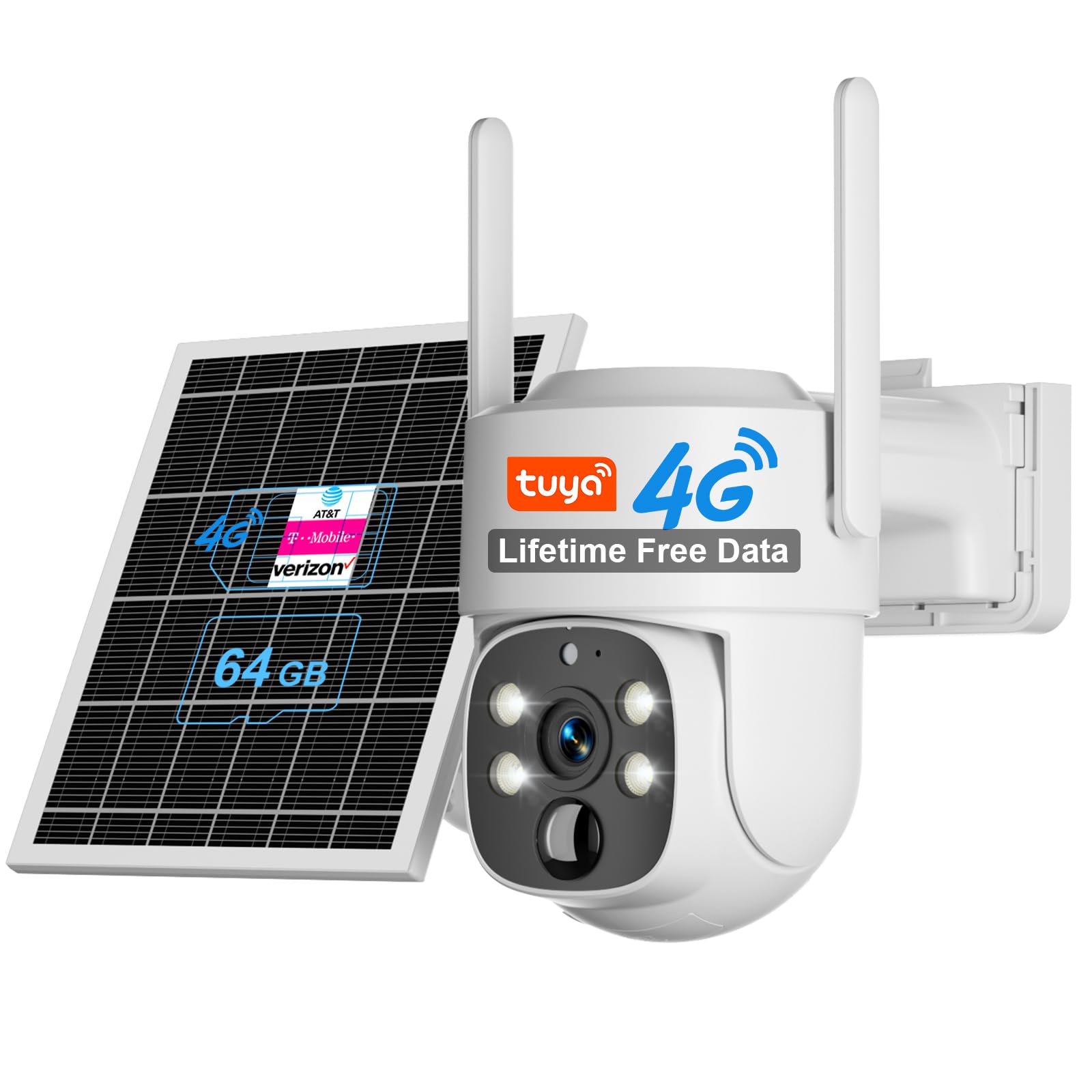
The SANSCO S52 is for the buyer who does not want another subscription. It includes a SIM with lifetime free 4G data, a 64GB card in the box, and a 7,800 mAh battery paired with a solar panel. That bundle is unusually complete for a cellular camera, and it means you can mount it and start recording without adding a plan or a memory card. The 1296p image, 355-degree pan, and 90-degree tilt cover the basics for a driveway, gate, or small yard.

The app is not as smooth as the best cameras here. Once it is connected, the picture is sharp in good light and the color night vision is useful, but the app and the 4G link can be fussy. We like the no-fee data model for a remote site, but we do not expect the same polish as the eufy.

What makes the SANSCO worth a place is the total cost of ownership. The included card and free data remove two recurring annoyances, and the solar panel keeps the battery charged without a power run. The pan range is slightly narrower at 355 degrees than the 360-degree cameras here, but it still covers a driveway or small yard. The included 64GB card is the quiet win here: it lets you skip the first storage purchase and start recording the day you mount it.

Pros

  • Lifetime free 4G data
  • 64GB card included
  • 7,800 mAh solar battery
  • 355° pan and 90° tilt

Cons

  • Setup and pairing can be fiddly
  • 1296p video trails 4K picks
Our verdict

We recommend the SANSCO S52 for buyers who want free data and a memory card in the box, as long as a 1296p image and a less polished app are acceptable.

Check Latest Price

How We Tested the Cellular Security Cameras

We started by pulling every cellular camera we could find that included a SIM, then filtered out anything that needed a separate hub, a wired power run, or a subscription just to record. That left 12 units, from brands we already knew and a few we didn't, spanning single cameras and a two-pack. Before mounting anything, we tallied what each one would cost to run for a year once any free data ran out, since the plan often matters more to the total price than the camera does.

Each camera went somewhere it had no business being convenient: a gravel driveway on a rural property, a gate at the far edge of a field, a job site with no power, and a cabin door left unattended for weeks. We installed every one solo, with a phone and a ladder, timing from unboxing to the first live view and noting where the app made us backtrack. Then we left them alone, which is the only way to learn how they behave.

Weekly, we counted the alerts that mattered against the ones that didn't — a delivery truck, a raccoon, a branch in the wind. We walked past each camera at an angle to see whether the tracking followed a person or just the first thing that moved. We pulled up live view at 2 a.m. to judge night vision, comparing how much color survived and whether a face read as a face or a smear, and worked the pan and tilt from the couch to see how far the camera really turned and whether the image held at the edge of the sweep. Battery and solar percentages got logged after overcast stretches, along with signal bars, how fast a clip loaded, and whether the feed dropped.

Reliability was the long game. All 12 stayed up through rain, heat, and one short stretch of snow, and we checked in monthly for units that had gone offline and needed a physical reset. The ones that stayed connected, sent alerts we trusted, and still showed color after dark are the ones that made the list.

How to Choose a Cellular Security Camera

Check the signal and the data plan first

Cell service is the real installation requirement. Before you pick a camera, stand where it will go and check the carrier that the camera's SIM uses; a strong signal at the house does not mean one at the barn. Then look at what the plan includes, because live viewing and cloud recording use far more data than motion clips saved to a card. A dual-mode camera such as the eufy S330 is useful where Wi-Fi reaches, because you can keep it off cellular when the home network is available.

Match solar power to the mount

Solar panels and batteries are sized as a pair, and the panel's wattage matters as much as the battery's headline capacity in a shady spot. A 6W panel and a 10,400 mAh battery, as on the SEHMUA S40, give you more margin than a small panel and a modest cell. Aim the panel at the strongest sun you have and expect shorter runtimes in winter or under a deep eave. If the camera will live in shade, choose the largest battery and plan to reduce live viewing.

Pick resolution for the distance you need to identify

2K is enough to recognize a person at a gate or a car in a driveway, while 4K and a spotlight help when you need detail at the far end of a long approach. Pan and tilt add coverage, but a single moving lens can leave one area unguarded while it follows something else; a dual-lens camera such as the VOOPEAK SC61 keeps a wide view while the tracking lens moves. Buy for the identifying distance you actually have, not the biggest number on the page.

Decide where the footage lives

Cellular cameras can store clips on a microSD card, in the cloud, or both, and that choice drives the ongoing cost. Local storage keeps working when the data plan runs out, while cloud storage is easier to check remotely and recover if the camera is taken. The REOLINK Go PT Plus accepts cards up to 512GB, and the SANSCO S52 includes a 64GB card plus free data, but those are different solutions to the same question. Check the card size and the plan terms before you buy.

Plan the mount and the app

An IP65 or IP66 rating is the minimum we look for on an exposed outdoor camera, and the eufy S330's IP55 is better suited to a sheltered spot. Height and angle matter as much as the rating: mount the camera where you can reach it for pairing and card changes, not just where the view is best. Check the app before you commit if you plan to share access with family or a caretaker; setup quality varies more between these cameras than the hardware specs suggest.

Frequently Asked Questions

Final Verdict

The eufy S330 is the camera we recommend first. Its 4K video, color night vision, 360-degree view, and dual 4G/Wi-Fi connection make it the most complete package here, and the large battery and solar panel give it real off-grid life. Give it a strong signal and a sheltered mount, and it handles the rest.

If that is more camera than you need, the SEHMUA S40 is the budget choice, with 2K video and a large battery for the money. For a remote site where you want to keep footage locally, choose the REOLINK Go PT Plus and its 512GB card support.