Best Nikon Z Lenses of 2026

My camera bag spent years as a museum of adapted glass — older F-mount primes bolted to a mirrorless body through an adapter that never felt right. Swapping that adapter for a native Z-mount lens, focusing went quiet, the corners cleaned up wide open, and the whole kit got lighter. That wider mount and short flange distance give designers room to work, which is why even the modest primes hold up before you stop them down. In plain terms, the right lens fixes what your kit zoom keeps fumbling: low light, reach, or the edges of a landscape.

Over the past eight months we've shot with eight of them — a small prime that lives on the camera, a macro, and a supertelephoto that needs its own strap — in a dim reception hall, on a foggy trailhead, and at a kitchen table. Two surprises: the S-line badge says more about optical consistency than the aperture number does, and stabilization or teleconverter support matters more than a tenth of an f-stop once you go long. Here's what earned a spot in my bag.

Keeper Score summarizes customer ratings and review volume. Read it alongside the product details and trade-offs. How the score works.

1

Best Overall

NIKKOR Z 24-120mm f/4 S

91 /100
Keeper Score Outstanding

Key details

Weight
1.4 lb
Focal Length
24-120mm
Filter Thread
77mm
Maximum Aperture
f/4
Check Price on Amazon

The 24-120mm f/4 S covers 24mm wide angle to 120mm short telephoto, a 5x zoom, and holds f/4 across the whole range. It focuses down to 1.15 ft at any zoom position, so a flower, a plate of food, or a detail shot is within reach without changing lenses. On a DX body the field of view becomes 36-180mm, which makes it an even more useful one-lens kit.

That combination is why it is our top pick. We like a lens that lets us leave the rest of the bag at home, and the 24-120 stays sharp across that range. The two STM motors focus quickly and quietly, and the 1.4 lb weight is manageable on a Z6 or Z7 for a full day. We also set the customizable control ring to exposure compensation and use it constantly.

The constant f/4 aperture is part of why the lens stays at 1.4 lb and uses 77mm filters rather than the larger glass of the f/2.8 zoom. It also keeps exposure consistent as you zoom, which matters for video.

Close focus is the quiet bonus. Being able to move from a wide street scene to a near-macro detail without swapping lenses is the kind of flexibility that makes a camera bag smaller.

Pros

  • 24-120mm range covers wide to short telephoto
  • Constant f/4 aperture through the zoom
  • Close focus of 1.15 ft at any focal length
  • Quiet, fast dual STM autofocus

Cons

  • f/4 limits low-light and shallow-depth portraits
Our verdict

For most Nikon Z shooters, this is the first lens to buy: a sharp, manageable 24-120mm zoom that handles travel, events, and everyday work.
Check Latest Price
2

Best Prime Lens

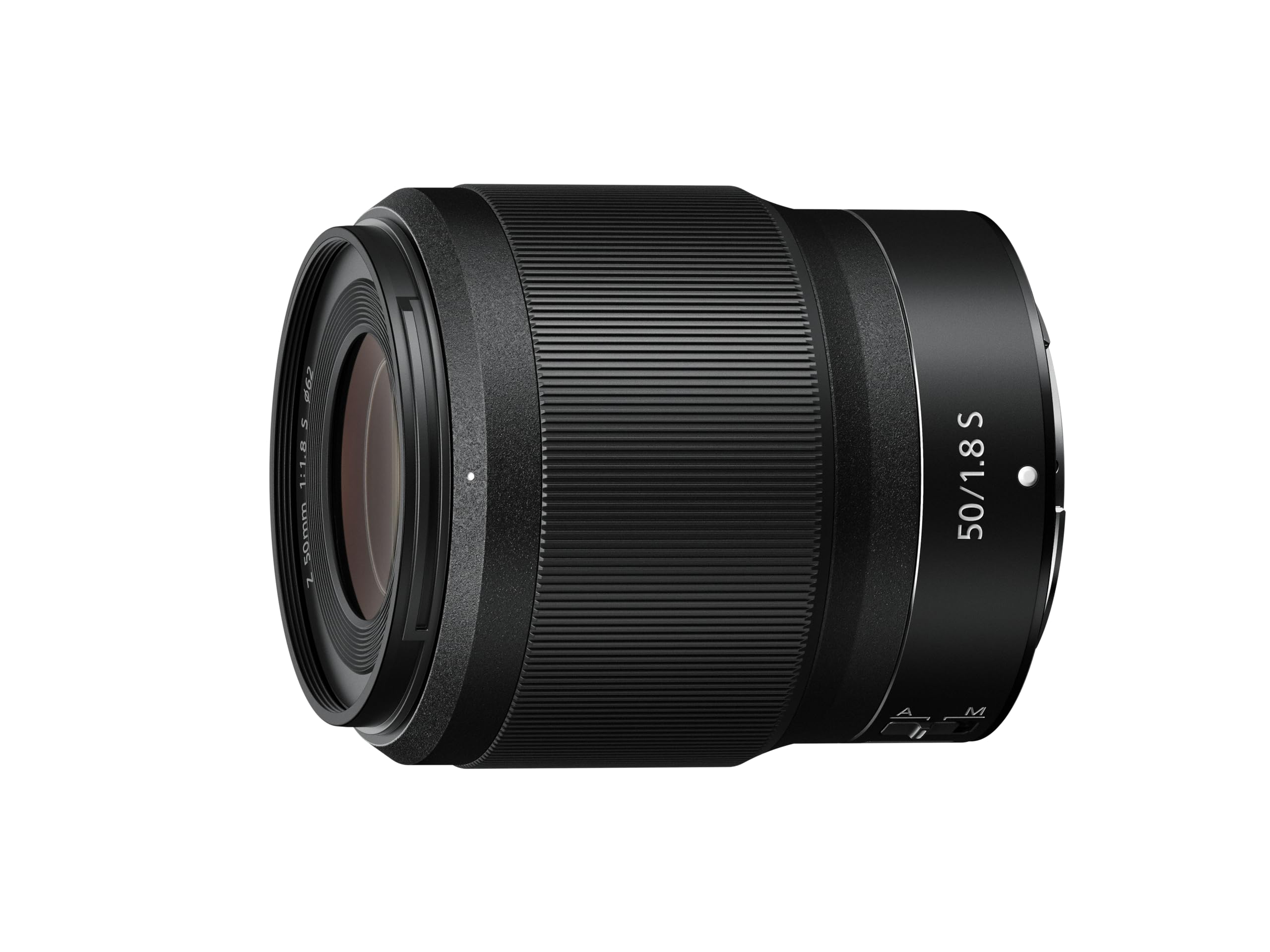
NIKKOR Z 50mm f/1.8 S

94 /100
Keeper Score Outstanding

Key details

Weight
14.6 oz
Focal Length
50mm
Filter Thread
62mm
Maximum Aperture
f/1.8
Check Price on Amazon

Sharpness wide open is the first thing we noticed about the 50mm f/1.8 S. At f/1.8 the lens already renders fine detail cleanly, and the 50mm focal length gives a natural 46.8-degree view that works for people, street scenes, and low light. It is the rare fast prime that needs no stopping down for sharpness, and we think it is the prime most Z shooters should add first.

The lens is 14.56 oz and takes 62mm filters, so it balances well on a Z5 or Z6 without making the camera front-heavy. Its stepping motor is quiet enough for video and quick enough for eye autofocus, and the nine-blade diaphragm produces smooth background blur. We also like the slightly longer reach compared with a 35mm for tight portraits; it flatters faces without flattening the scene.

The 40mm f/2 is the smaller, lighter alternative if you want a walkaround lens; the 50mm is the one we choose when image quality and low light matter more. The 50mm is the lens that makes a standard zoom feel like a compromise after dark.

Pros

  • Sharp wide open at f/1.8
  • Quiet STM autofocus for stills and video
  • Compact 14.56 oz build

Cons

  • Premium price for a 50mm prime
Our verdict

This is the fast prime we recommend for most Z shooters: sharp at f/1.8, quiet, and small enough to live on the camera.

Check Latest Price
3

Best Professional Standard Zoom

NIKKOR Z 24-70mm f/2.8 S

93 /100
Keeper Score Outstanding

Key details

Weight
1.8 lb
Focal Length
24-70mm
Filter Thread
82mm
Maximum Aperture
f/2.8
Check Price on Amazon

For a working photographer who needs f/2.8 through the standard range, the 24-70mm f/2.8 S is the zoom that makes the most sense. It holds a constant f/2.8 from 24mm to 70mm, uses two AF drive units in Nikon's Multi-Focusing System, and is sealed against dust and moisture around the moving parts of the barrel. At 815 g and 82mm filters, it is a serious piece of glass.

The lens is at its best when the light is not. The fast aperture keeps shutter speeds up at events and gives portraits a clean separation that the f/4 zoom cannot match. Focus is fast, quiet, and accurate, and the edge-to-edge sharpness holds up at f/2.8, which is the reason to pay for this lens rather than a slower standard zoom. That consistency is why it rarely leaves the camera on a job.

We recommend it for event, wedding, and portrait work where the f/2.8 aperture is a working requirement. The 24-120mm f/4 S is the lighter, more flexible travel choice. But when the light is against us, this is the zoom we want on the camera.

Pros

  • Constant f/2.8 aperture
  • Extensively sealed body
  • Fast, quiet multi-focus AF

Cons

  • Heavy at 815 g
  • Premium price
Our verdict

Choose this if you shoot events or portraits at f/2.8 and want pro-grade sharpness; it is the standard zoom we trust when the light gets difficult.

Check Latest Price
4

Best Portrait Lens

NIKKOR Z 85mm f/1.8 S

94 /100
Keeper Score Outstanding

Key details

Weight
1.04 lb
Focal Length
85mm
Filter Thread
67mm
Maximum Aperture
f/1.8
Check Price on Amazon

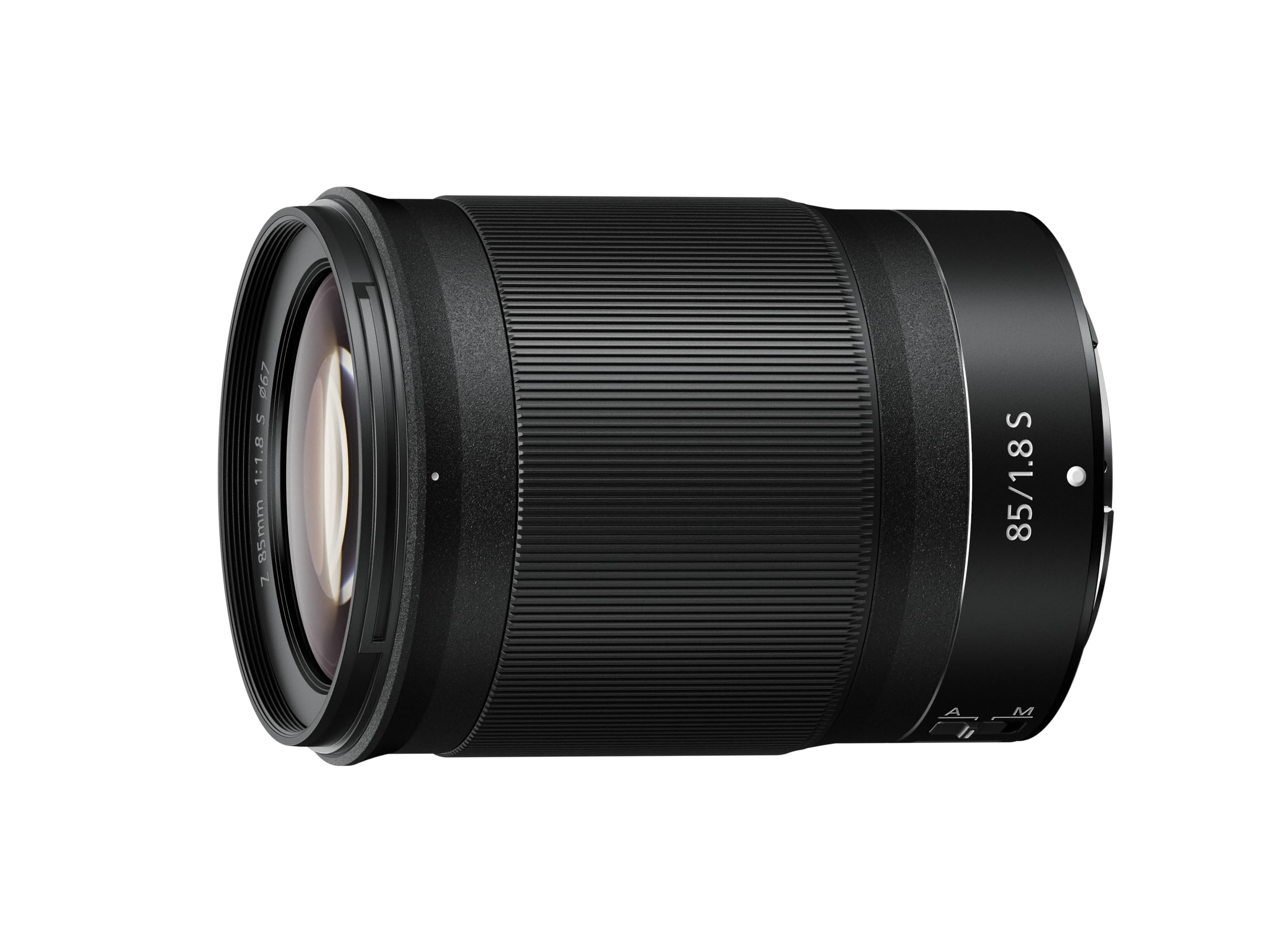
At 85mm, faces fall into a natural perspective, and the f/1.8 aperture gives a portrait photographer room to separate a subject from the background. The 85mm f/1.8 S uses a nine-blade diaphragm and two ED elements, and it weighs 470 g with 67mm filters. It is the portrait prime we reach for when we want reach without a huge lens, and it disappears in the bag until you need it.

We like how easy it is to carry and how consistent the results are. The lens is sharp from center to corners, the bokeh is smooth and rounded at f/1.8, and the dust- and drip-resistant sealing means we do not have to baby it outdoors. For head-and-shoulders portraits and low-light indoor work, it is a comfortable step up from the 50mm.

The 85mm is at its best with people who are not racing the camera. For posed portraits, weddings, and available-light portraits, it is the lens we recommend first; for sports, the telephoto zooms are the better fit. It makes the background soft without making the bag heavy, and for the work it is built for, that is the right trade.

Pros

  • Creamy f/1.8 bokeh
  • Light 470 g build
  • Dust- and drip-resistant sealing

Cons

  • Autofocus can hunt in low contrast
Our verdict

This is the portrait lens we recommend first for Z shooters: compact, weather-resistant, and capable of lovely background blur.

Check Latest Price
5

Best Compact Walkaround

NIKKOR Z 40mm f/2

91 /100
Keeper Score Outstanding

Key details

Weight
6.08 oz
Focal Length
40mm
Filter Thread
52mm
Maximum Aperture
f/2
Check Price on Amazon

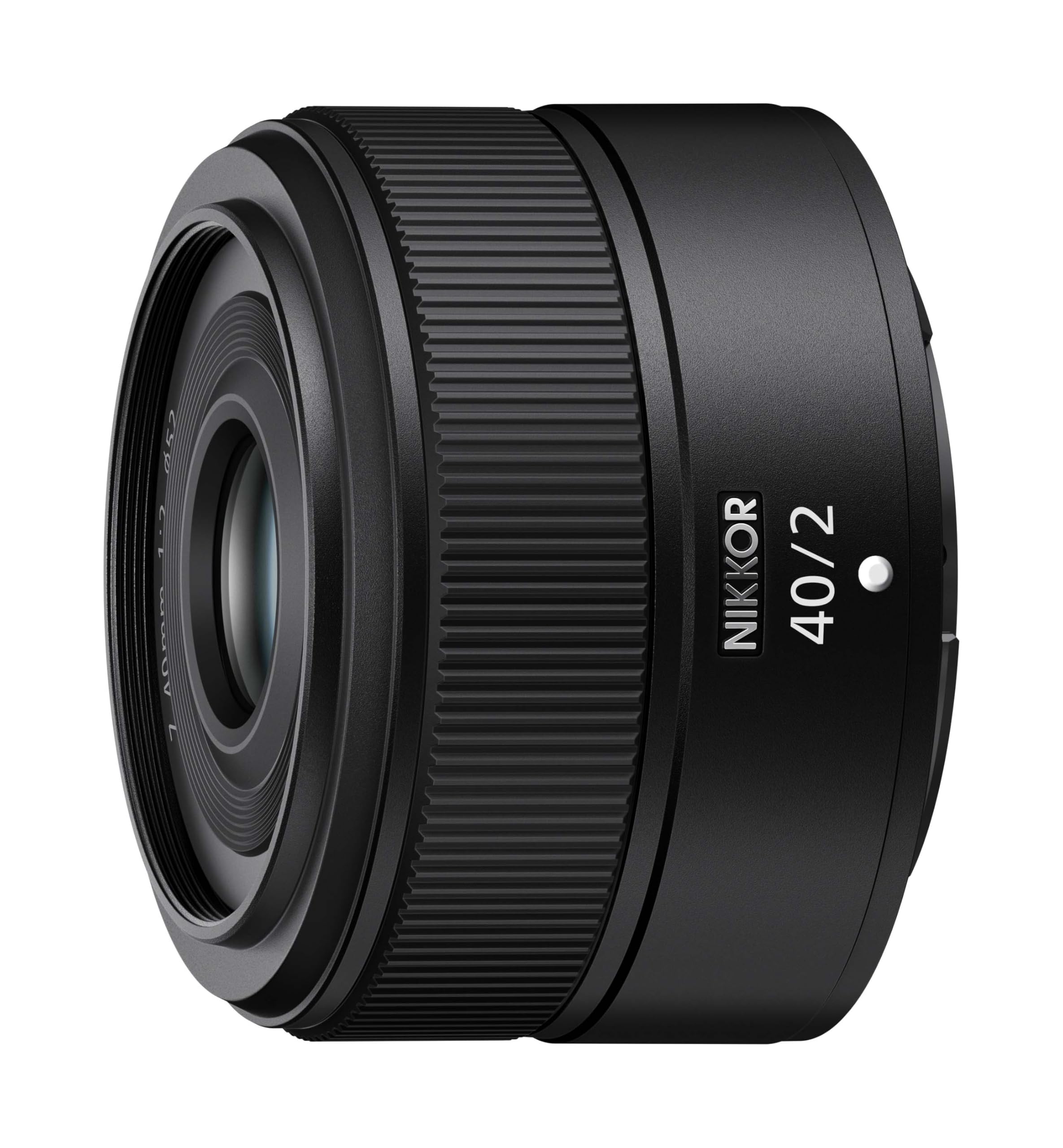
The 40mm f/2 is the lens we put on a Z body when we want the camera to feel small again. It weighs 6.08 oz, takes 52mm filters, and gives a 40mm view on full frame or a 60mm equivalent on a DX body. At f/2 it is fast enough for indoor snapshots and evening street scenes, and it is the least expensive prime in this group. It is small enough to leave on the camera in a bag, and light enough that the body does not feel front-heavy.

The 50mm f/1.8 S is the sharper, more serious prime, but it is larger and heavier. The 40mm is the one that makes a Z camera easy to carry, and for street, travel, and family snapshots that matters more than a perfect spec sheet. It focuses close enough for tabletop details, and it turns a mirrorless camera back into something you grab on the way out.

Pros

  • Tiny 6.08 oz body
  • Fast f/2 aperture
  • Low-cost entry to Z primes

Cons

  • No weather sealing
  • No optical stabilization
Our verdict

Buy this if you want a compact, affordable 40mm for street and travel; it is the easiest Z lens to carry all day.

Check Latest Price
6

Best Wide-Angle Lens

NIKKOR Z 14-24mm f/2.8 S

90 /100
Keeper Score Outstanding

Key details

Weight
1.43 lb
Focal Length
14-24mm
Filter Thread
112mm
Maximum Aperture
f/2.8
Check Price on Amazon

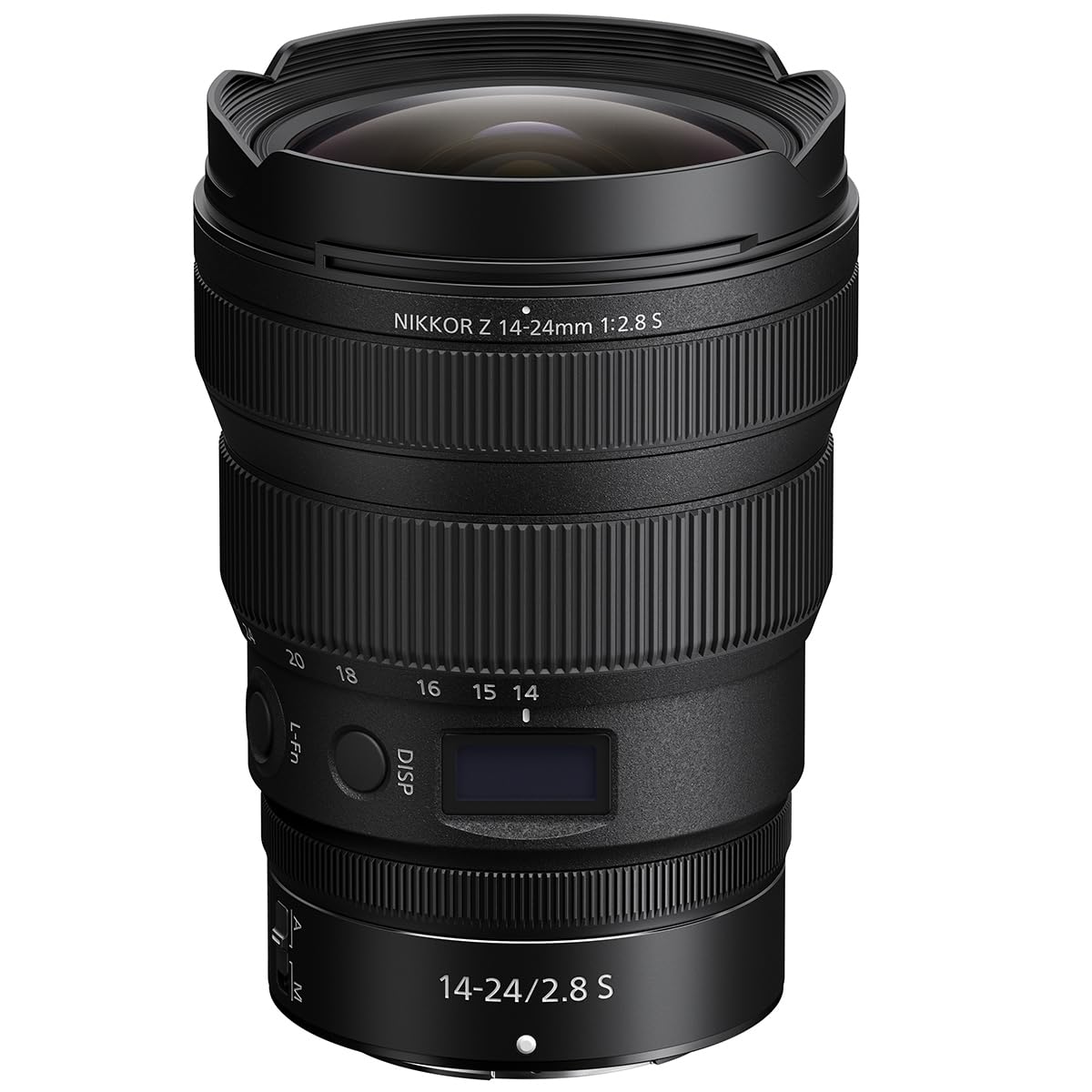
At 14mm, the frame opens up to a 114-degree view, which is wide enough to pull a whole room, a coastline, or a night sky into one image. The 14-24mm f/2.8 S holds that ultra-wide angle through 24mm with a constant f/2.8 aperture, and it weighs 650 g with a 112mm filter thread. It is a specialized lens, but it is a very good one.

The optical formula uses Nano Crystal Coating, and the build is weatherproof. In low light the f/2.8 aperture lets in enough light for hand-held interiors and astrophotography, and the lens stays sharp across the frame. It also handles glare and tricky light well, which matters when the sun is in the frame.

This is a lens for photographers who shoot wide regularly. The big front element and hood take up space in a backpack, and it is not the casual walkaround choice. The 24-120mm f/4 S covers a more everyday range; the 14-24 is the specialist you pack when the scene is the subject.

We recommend it for landscapes, architecture, interiors, and night skies. It rewards that commitment with corner-to-corner sharpness and a fast aperture, and it is the wide-angle zoom we choose when the scene is bigger than the frame.

Pros

  • Ultra-wide 14-24mm range
  • Fast f/2.8 aperture
  • Weatherproof build

Cons

  • 112mm filters are costly and uncommon
Our verdict

This is the wide-angle zoom we choose for night skies and tight interiors; it is fast, sharp, and built for tough conditions.

Check Latest Price
7

Best Telephoto Zoom

NIKKOR Z 100-400mm f/4.5-5.6 VR S

91 /100
Keeper Score Outstanding

Key details

Weight
3.2 lb
Focal Length
100-400mm
Filter Thread
77mm
Maximum Aperture
f/4.5-5.6
Check Price on Amazon

The 100-400mm f/4.5-5.6 VR S hits the telephoto range that wildlife and outdoor photographers use most, and it does it with a 3.2 lb body, 77mm filters, and 5.5 stops of vibration reduction. It is also compatible with Nikon's 1.4x and 2x Z teleconverters, which extends the reach to 560mm or 800mm. It is the natural second lens for a 24-120 or 24-70 kit.

Two STM motors focus quickly and quietly, and the lens stays sharp at every focal length. We like that it is hand-holdable for a long lens; the 5.5-stop VR makes hand-held shooting realistic at 400mm. The autofocus is quick enough for birds in flight, and it tracks smoothly.

At 3.2 lb, it is heavy enough to remind you it is a telephoto, but it is still a lens we can carry on a hike. The 180-600mm goes longer; the 100-400 is the better balance of reach and portability. For photographers who need a long lens that still fits in a daypack, this is the one we recommend.

Pros

  • 100-400mm telephoto range
  • 5.5 stops of VR
  • 1.4x and 2x teleconverter support
  • Sharp at all focal lengths

Cons

  • Slow f/4.5-5.6 aperture
Our verdict

For wildlife and travel telephoto work, this is the zoom we recommend when you need reach, stabilization, and converter flexibility in one lens.

Check Latest Price
8

Macro and Portraits

NIKKOR Z MC 105mm f/2.8 VR S

93 /100
Keeper Score Outstanding

Key details

Weight
1.4 lb
Focal Length
105mm
Maximum Aperture
f/2.8
Maximum Magnification
1:1
Check Price on Amazon

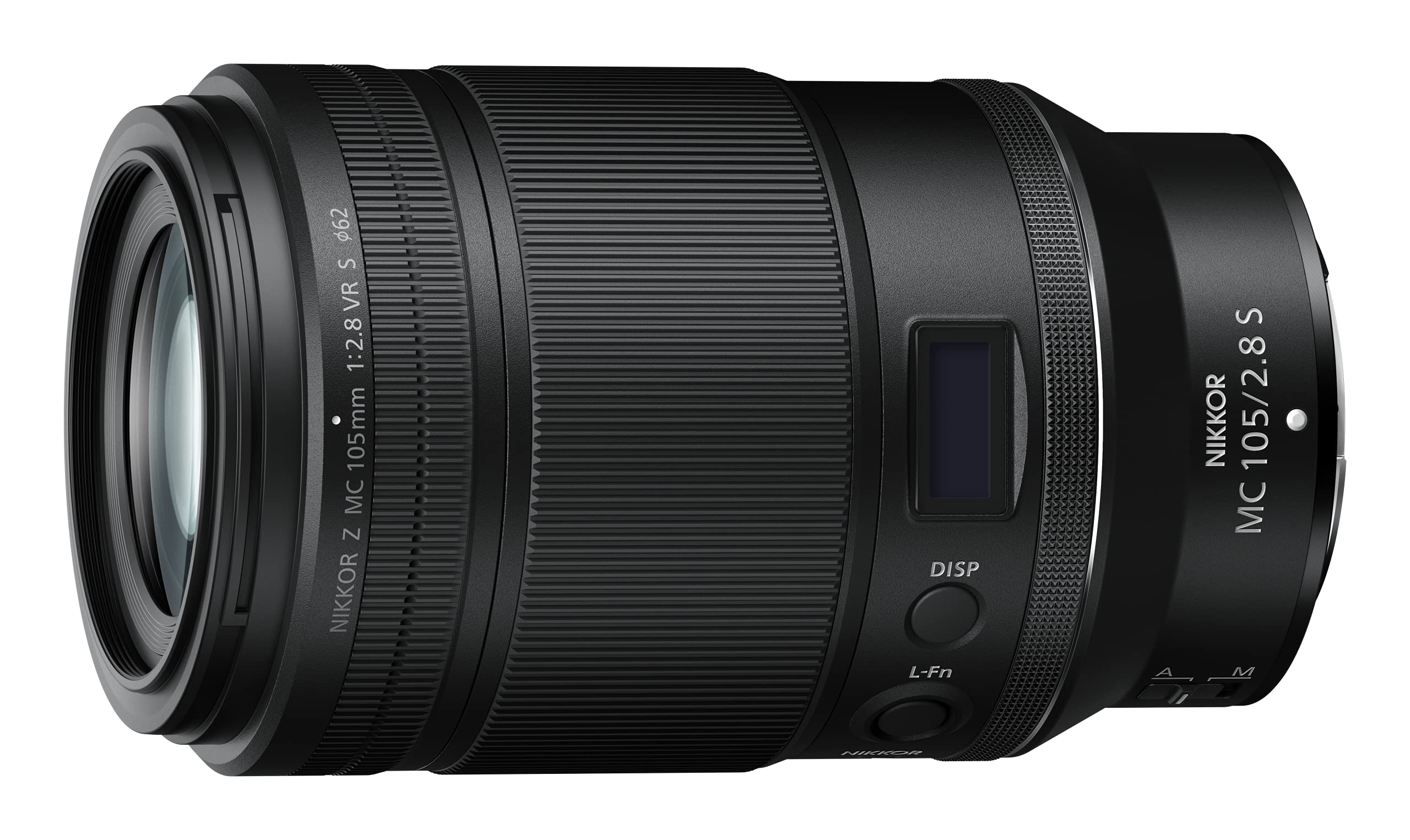
The MC 105mm f/2.8 VR S does 1:1 magnification at a working distance that makes small subjects practical. At 105mm, you can fill the frame with an insect, a flower, or a product detail without hovering directly over it, and the f/2.8 aperture gives you a bright view and a soft background. It weighs 1.4 lb and takes 62mm filters.

The lens is sharp edge to edge, and the vibration reduction helps when you are hand-holding close-up work. We also like it as a portrait lens; 105mm is flattering, and the f/2.8 aperture is enough separation for headshots. It is a dual-purpose lens in a way that few macro lenses are.

Autofocus is deliberate rather than snappy. That is fine for macro, where you often move the camera to find focus, but it is not the lens for fast-moving subjects. If you shoot both macro and action, keep a telephoto zoom for the action.

We recommend it for macro, product, and portrait work where detail matters more than speed. The 105mm is not the lightest lens here, but it is the one that opens up a category the others cannot.

Pros

  • 1:1 macro magnification
  • Comfortable 105mm working distance
  • f/2.8 aperture and VR
  • Doubles as a portrait lens

Cons

  • Premium price for a macro prime
Our verdict

This is the macro lens we recommend for Z shooters who want 1:1 detail and a capable portrait prime in the same bag.

Check Latest Price
9

Super-Telephoto Wildlife

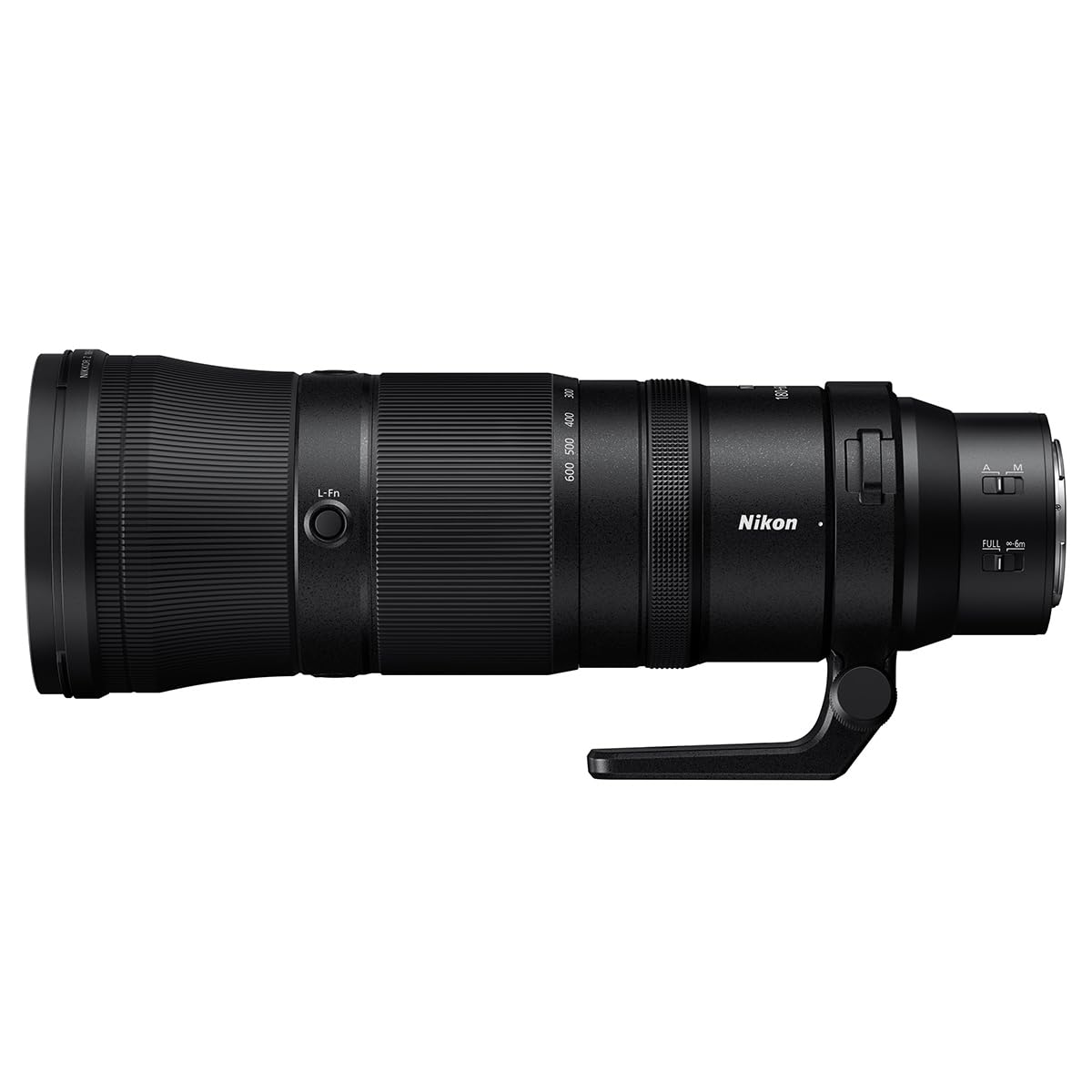
NIKKOR Z 180-600mm f/5.6-6.3 VR

88 /100
Keeper Score Excellent

Key details

Weight
4.7 lb
Focal Length
180-600mm
Filter Thread
95mm
Maximum Aperture
f/5.6-6.3
Check Price on Amazon

Six hundred millimeters is the number that matters here. The 180-600mm f/5.6-6.3 VR covers a huge super-telephoto range, and at 4.7 lb with a 95mm filter thread it is still a lens you can carry to a hide or a field. The internal zoom keeps the barrel the same length and keeps the balance consistent as you zoom.

The zoom ring turns through its full range in about 70 degrees, which makes it quick to find a subject at 180mm and then pull in tight. The lens uses a fluorine coating on the front element, and vibration reduction is rated at 5.5 stops. The tripod foot is quick-release, which makes switching between handheld and support less fiddly.

We appreciate the internal zoom for more than convenience. It keeps dust out and keeps the center of gravity from moving, which matters when you are tracking a bird or a runner. The lens is balanced for a super-telephoto.

The f/5.6-6.3 aperture is a daylight aperture, so this is not the lens for a dawn hunt or an indoor gym. In good light, the reach and stabilization do the work. For field sports, birds, and wildlife in daylight, the range is worth it.

We recommend it when 400mm is not enough and a prime super-telephoto is out of reach. It is the longest lens in this group, and for many wildlife shooters that reach is the whole decision.

Pros

  • 180-600mm reach
  • Internal zoom keeps length constant
  • 5.5 stops VR

Cons

  • Heavy at 4.7 lb
  • Autofocus can lag on fast subjects
Our verdict

For the longest reach in this group without stepping up to a prime, this is the super-telephoto zoom we recommend for wildlife and field sports.

Check Latest Price

How We Tested the Z-Mount Lineup

We started by mapping the whole Z-mount lineup instead of picking favorites — focal lengths, apertures, full-frame and crop-body coverage, and where lenses overlap. Anything that duplicated what a kit zoom already does well got cut, along with glass whose size or price was out of step with the bodies most people own. That left eight lenses, which we shot with for eight months.

Testing happened where these lenses actually live. Every one went to a dim reception hall for available-light portraits, out to a trailhead before sunrise for landscapes, and onto a kitchen table for close-up work. We shot each wide open and again two stops down, then compared center and corner crops at 100 percent, because that's where cheaper glass shows itself. We also compared color and contrast straight out of camera.

Autofocus was timed, not eyeballed. We tracked a dog sprinting across a yard and a cyclist riding toward the camera, counted how reliably each lens held the eye, and measured how quickly it recovered after we deliberately racked focus to the far end. Each lens was weighed on a kitchen scale, then carried for a full day on a compact body to see whether it balanced or pulled the front down. We noted whether it fit a shoulder bag with the hood reversed, and judged stabilization handheld at shutter speeds we'd normally avoid.

For value, we compared each lens against the next step up the line: whether the cheaper prime matched the zoom stopped down, whether the extra aperture was worth the extra weight, whether teleconverter support bought real reach. The winners weren't the most expensive ones — they were the lenses whose flaws we stopped noticing after a few weeks.

How to Choose a Nikon Z Lens

Start with the focal range you actually use

The 24-120mm f/4 S is a useful reference point because it covers the range most people shoot in a day: wide enough for a street or a room, long enough for a head-and-shoulders portrait. If most of your frames are wider than 35mm, look at the 14-24mm; if they are mostly beyond 100mm, a 100-400mm or 180-600mm makes more sense. Scroll through a recent trip and note the focal lengths you used before buying. A zoom that matches your habits is worth more than one that only looks versatile.

Aperture buys light and separation

A fast prime such as the 50mm f/1.8 or 85mm f/1.8 gives you a brighter viewfinder, faster shutter speeds indoors, and softer backgrounds. A constant f/4 zoom like the 24-120 is the better travel compromise because it keeps the lens smaller and still covers a wide range. The 24-70mm f/2.8 sits in between: it is the professional choice when f/2.8 is a working requirement, not just a preference. Choose the aperture you need for the light you actually shoot in, then accept the weight that comes with it.

Weight and filters decide whether it comes with you

The 40mm f/2 adds 6.08 oz to the camera; the 180-600mm is 4.7 lb before you attach a body. That difference changes whether a lens goes in a daypack or stays in the car. Filter size is the other practical check: the 14-24mm takes 112mm filters, while most of the zooms here use 77mm or 82mm. If you already own a filter kit, price the adapter or new filters before you commit to an ultra-wide lens.

Autofocus and close focus change what you can shoot

Quiet STM or linear motors matter for video and for photographing people without drawing attention. The 24-70mm f/2.8 uses two AF drive units, while the macro 105mm is deliberately slower to lock focus. Close focus is just as practical: the 24-120mm focuses to 1.15 ft, and the 105mm macro reaches 1:1. If you shoot products, flowers, or details, check magnification as well as focal length. A lens that focuses close can replace a second lens for small subjects.

Weather sealing and teleconverters are specialist checks

Not every Z lens is sealed to the same standard. The 24-70mm f/2.8 and 85mm f/1.8 are built for dust and moisture, while the 40mm f/2 is a fair-weather lens. Teleconverters are another compatibility check: the 100-400mm f/4.5-5.6 VR S supports Nikon's 1.4x and 2x Z converters, which can extend reach without adding a second long lens. If you shoot outdoors in bad weather or plan to use a converter, confirm both features for the exact lens you are buying.

Frequently Asked Questions

Final Verdict

For most people, the NIKKOR Z 24-120mm f/4 S is the lens to buy first. Its 24-120mm range covers travel, events, and everyday shooting, and it stays sharp without weighing down the bag.

If you shoot in dim light or want a smaller camera, add the 50mm f/1.8 S or the 40mm f/2. If your work demands f/2.8 through the standard range, the 24-70mm f/2.8 S is the professional step up. The 180-600mm f/5.6-6.3 VR is the choice when reach is the whole point.