Best Nikon Prime Lenses of 2026

A prime lens gives you exactly one focal length and then makes you walk to change the framing. That's the trade, and it's why the number on the barrel matters more than anything else in the decision — a 35mm and an 85mm are different jobs, not better and worse versions of each other. What you get in exchange is aperture: the f/1.8s and f/1.4s that pull a hand-held shot out of a dim room and turn a cluttered background into soft cream.

After six months with eight Nikon primes — the inexpensive DSLR glass as well as the premium mirrorless f/1.2 — the differences that actually show up in photographs aren't the ones the spec sheets argue about. Sharpness is easy to confirm in ten minutes; autofocus behavior in bad light, and whether a high-contrast edge goes purple, are what I kept noticing weeks later. Value matters too, and paying more doesn't automatically buy a better picture.

Below are the ones we'd buy again, sorted by what you actually shoot rather than by price.

Keeper Score summarizes customer ratings and review volume. Read it alongside the product details and trade-offs. How the score works.

1

Best Overall

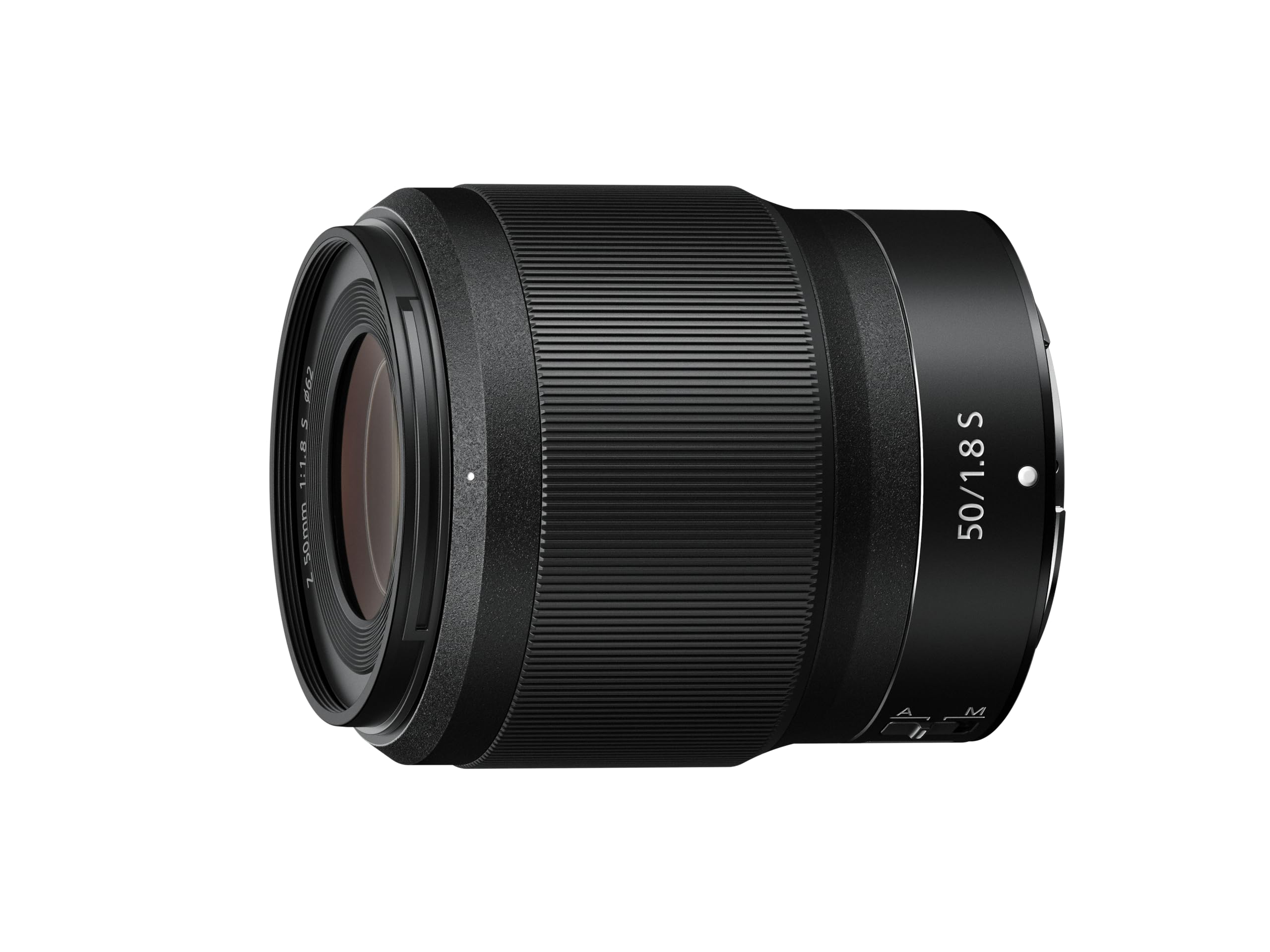
Nikon NIKKOR Z 50mm f/1.8 S

94 /100
Keeper Score Outstanding

Key details

Weight
14.6 oz
Focal Length
50mm
Max Aperture
f/1.8
Filter Thread
62mm
Check Price on Amazon

Nikon's F-mount 50mm has been the default first prime for decades, and it still earns its place further down this list. The Z 50mm f/1.8 S is what the native mount buys you: the same 50mm view, a 46.8-degree angle of coverage, and performance at f/1.8 that does not send you hunting for a sharper aperture.

Sharpness wide open is the entire argument. Stopping down normally buys a lens some sharpness; this one arrives with clean detail and virtually no distortion, so the aperture is a working setting rather than a compromise. The stepping motor is quiet enough to record with and quick enough for a kid who will not sit still, and the focus ring has enough travel to pull focus by hand.

Where it gives ground is size and money. What we keep coming back to is the role: one lens, one body, no bag. There is no bad aperture, no wrong distance once you have learned the view, and nothing to remember except to move your feet. If you want a Z prime that disappears into a jacket pocket, the 40mm f/2 is that lens; the 50 is the sharper one.

Pros

  • Sharp wide open at f/1.8
  • Quiet stepping motor for stills and video
  • Normal 50mm view with little distortion

Cons

  • Heavier than a classic 50mm
  • Costs considerably more than the F-mount 50mm
Our verdict

This is the prime we tell most Z owners to buy first: a normal field of view, a fast f/1.8 aperture, and sharpness wide open that leaves nothing to fix in editing.
Check Latest Price
2

Best Compact

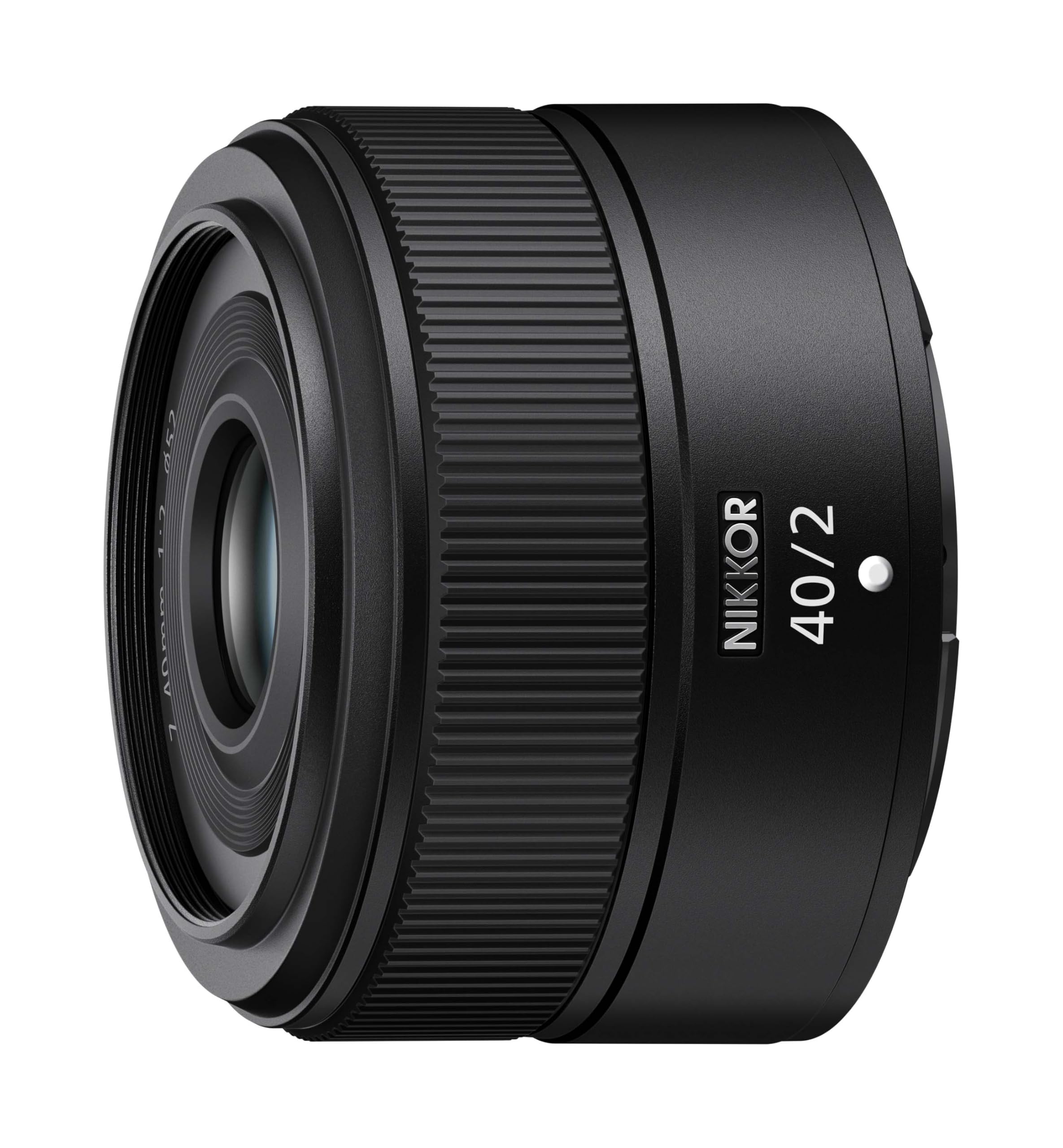
Nikon NIKKOR Z 40mm f/2

91 /100
Keeper Score Outstanding

Key details

Weight
6.08 oz
Focal Length
40mm
Max Aperture
f/2
Diaphragm Blades
9
Check Price on Amazon

Six ounces is the number that matters here. At 6.08 ounces the 40mm f/2 is light enough that a Z body stops feeling like a commitment, and short enough to leave on the camera in a bag you would otherwise leave at home. On a DX body it behaves like a 60mm, splitting the difference between a normal and a short portrait lens.

We reach for it when the alternative is leaving the camera behind, which is the highest compliment a small lens can get. The f/2 aperture and nine rounded blades give backgrounds a soft, round blur, the control ring can be set to aperture or exposure compensation, and it clicks over to silent operation for video.

The 50mm f/1.8 S is the better lens; the 40mm is the one more likely to be with you when something happens. That is the whole trade, and it is one we make happily on a day when the bag is already full.

Pros

  • 6.08 oz makes it a genuine walk-around
  • f/2 with nine rounded diaphragm blades
  • Click-less control ring suits video
  • Lowest-priced Z prime in this group

Cons

  • No weather sealing or in-lens stabilization
Our verdict

Buy it when the camera only comes along if the lens is tiny: at just over six ounces, it turns a Z body into something you carry without negotiating.

Check Latest Price
3

Best for Portraits

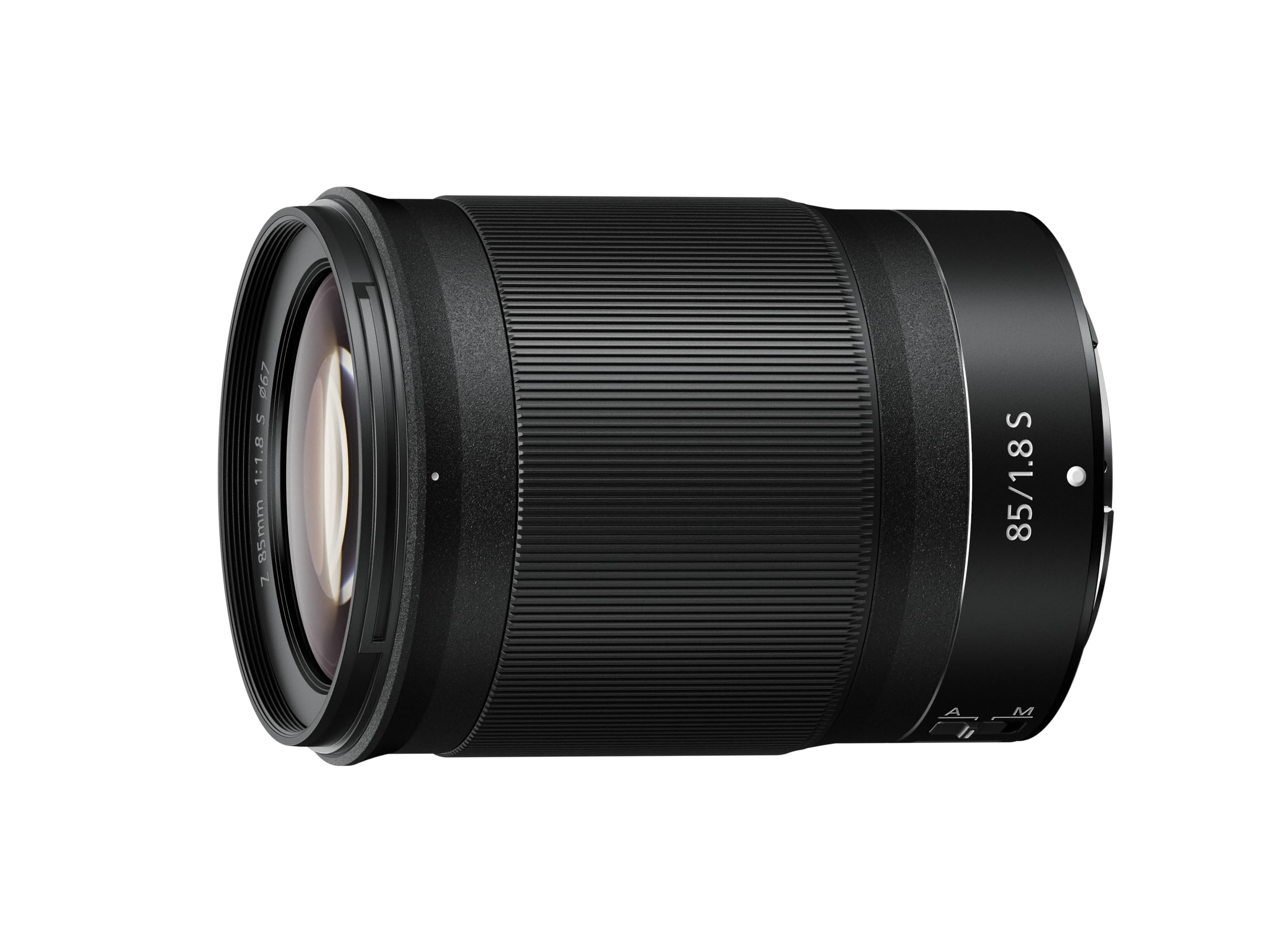
Nikon NIKKOR Z 85mm f/1.8 S

94 /100
Keeper Score Outstanding

Key details

Weight
1.04 lb
Focal Length
85mm
Max Aperture
f/1.8
Weather Sealing
Dust and drip resistant
Check Price on Amazon

Eighty-five millimeters is where portrait photographers settle because it flatters: at 28.5 degrees it compresses a face gently and keeps you far enough back that the subject forgets the camera is there. Nikon's Z version is as sharp edge to edge as anything in this group, and it stays that way at f/1.8.

Two ED elements and Nano Crystal coating do the optical work, the barrel is sealed against dust and drips, and nine rounded blades keep the out-of-focus areas smooth. The control ring can be assigned to aperture or exposure compensation, which is the difference between a portrait session that flows and one spent in menus.

The case for it is narrow and strong: you photograph people, and you do it often. For everything else the 50mm f/1.8 S is more versatile and lighter in the bag, and the F-mount 85mm f/1.8G further down this list does similar work for a DSLR at a much lower price. What the extra money buys is the last stretch of edge sharpness and a native mount that is not going anywhere.

Pros

  • Sharp corner to corner at f/1.8
  • Nine-blade diaphragm for smooth bokeh
  • Sealed against dust and moisture
  • Customizable control ring

Cons

  • Premium price for an f/1.8 lens
Our verdict

For anyone who photographs people, this is the lens: corner-to-corner sharpness at f/1.8 and nine-blade blur, in a sealed barrel that balances on a Z body.

Check Latest Price
4

Best Wide-Angle

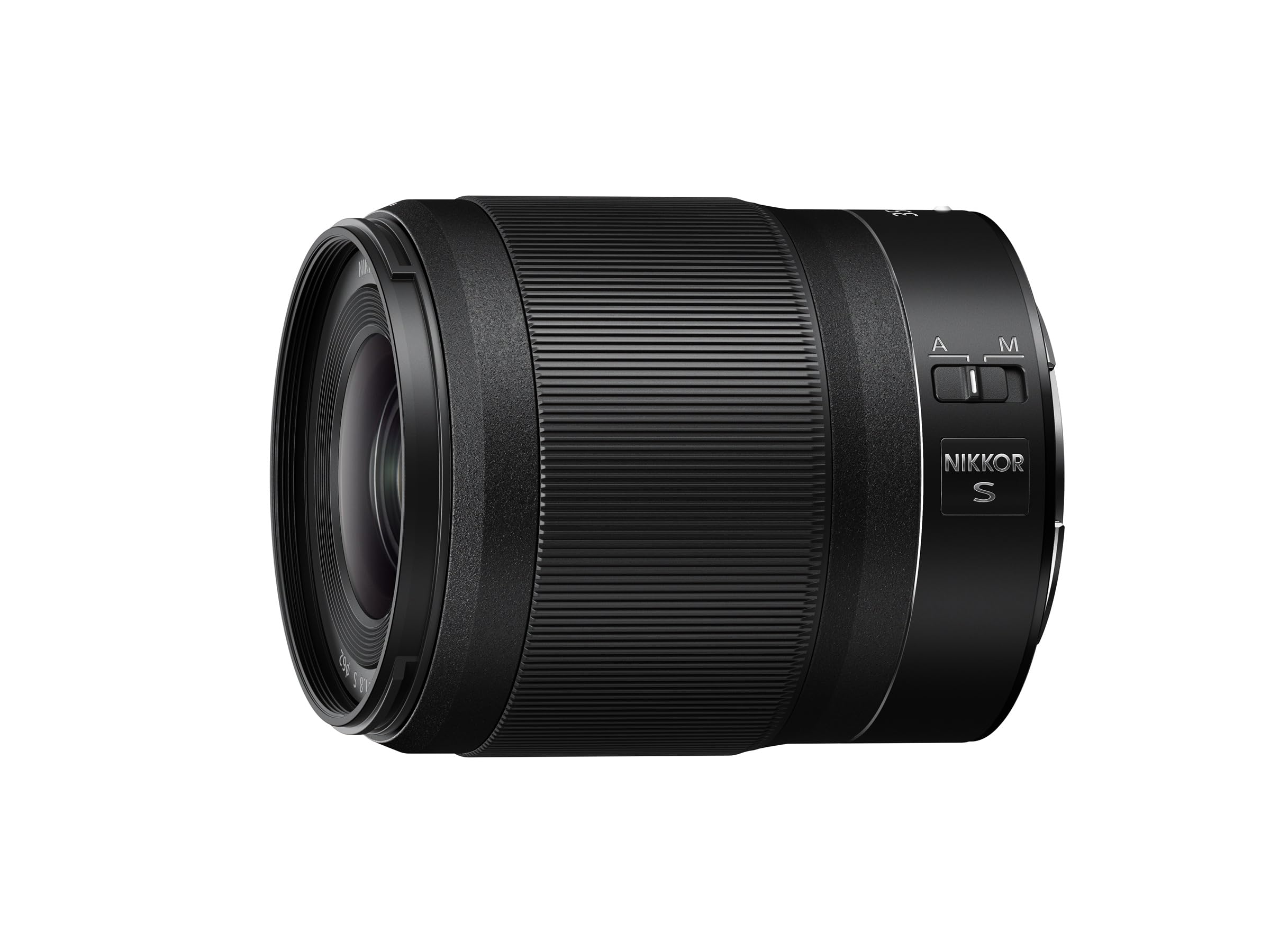
Nikon NIKKOR Z 35mm f/1.8 S

91 /100
Keeper Score Outstanding

Key details

Weight
13.1 oz
Focal Length
35mm
Max Aperture
f/1.8
Angle Of View
63 degrees
Check Price on Amazon

Thirty-five millimeters is the widest lens most people can use without thinking about perspective, and this is the version we recommend when the answer to what should I buy is a wide. Sixty-three degrees covers a small room, a street corner, or a table of friends, and the detail holds into the corners instead of smearing there.

It weighs 13.12 ounces, focuses with the same quiet stepping motor as the 50mm, and takes 62mm filters, so hoods, caps, and polarizers get shared with the 50mm f/1.8 S and the 105mm macro. Nikon also sells a faster 35mm f/1.4 for less money, and that is the one to weigh if you shoot available-light events; this lens is the more even performer across the frame, and the extra stop on the other comes with softer corners.

Pros

  • 63-degree view for interiors and street
  • Detail holds into the corners
  • Shares 62mm filters with the 50mm and 105mm

Cons

  • Costs as much as the 85mm f/1.8 S
Our verdict

Pick it if 35mm is how you see — small rooms, streets, a table of friends — and you want corner-to-corner sharpness without the size.

Check Latest Price
5

Best Macro

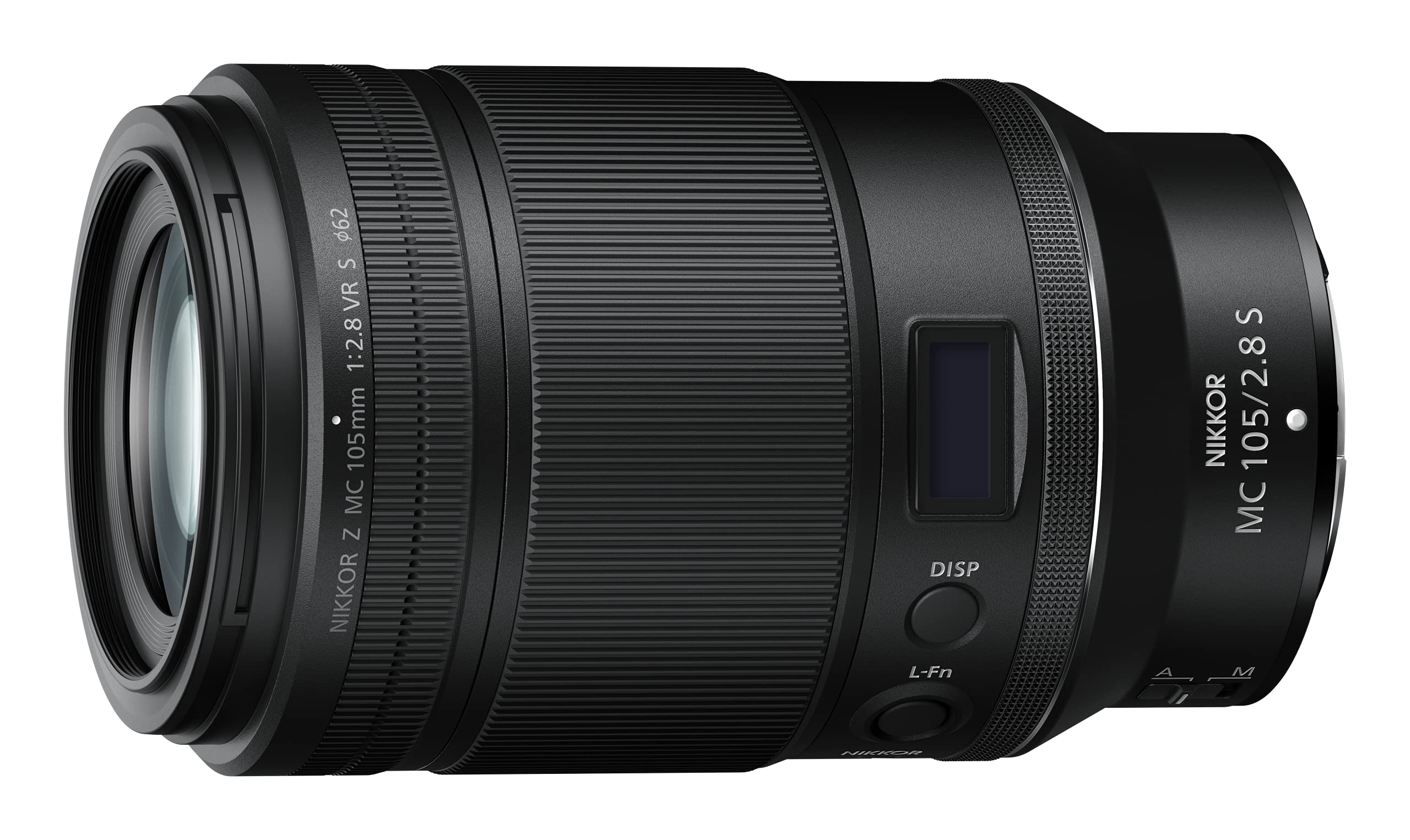
Nikon NIKKOR Z MC 105mm f/2.8 VR S

93 /100
Keeper Score Outstanding

Key details

Weight
1.4 lb
Focal Length
105mm
Max Aperture
f/2.8
Maximum Magnification
1:1
Check Price on Amazon

Life-size means a subject the size of your sensor fills the frame, and at 105mm you get there from far enough back that you are not blocking your own light or casting a shadow on a bee. That working distance is the whole reason to choose a 105mm macro over a shorter one, and it is also why this lens doubles as a portrait lens.

The rest is S-line house style: fluorine coating on the front element, sealing against dust and drips, a nine-blade diaphragm, and VR in the barrel. Stabilization matters more at macro distances than anywhere else, because magnification multiplies every tremor in your hand. Detail holds right to the edges of the frame, which is what you want when the subject is a coin or a wing.

Autofocus is deliberate rather than fast, sweeping through its range before it settles. That is normal for a macro and still worth knowing if you plan to chase insects in flight. Pre-focus roughly where you expect the subject, let the lens finish the job, or take the ring yourself, which is geared finely enough for the last millimeter.

Pros

  • True 1:1 with comfortable working distance
  • VR in the barrel for handheld macro
  • Sharp edge to edge
  • Sealed body with fluorine coating

Cons

  • f/2.8 gives up light and blur to the f/1.8 primes
  • Premium price for a specialty lens
Our verdict

For anyone who shoots small things, this is the one: true 1:1 at a working distance that does not scare the subject, with stabilization that makes handheld macro realistic.

Check Latest Price
6

Best for DX DSLRs

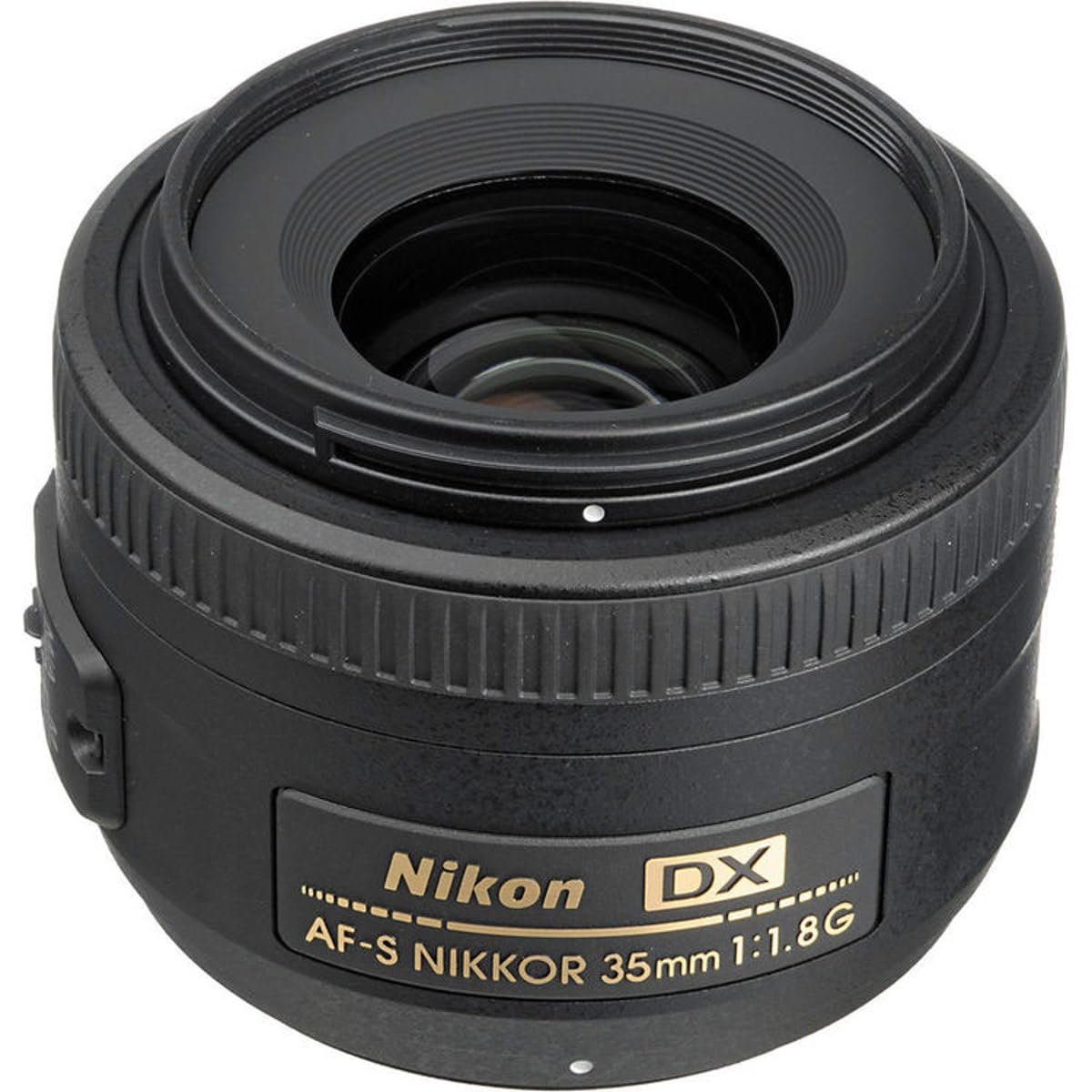
Nikon AF-S DX NIKKOR 35mm f/1.8G

96 /100
Keeper Score Outstanding

Key details

Mount
Nikon F
Weight
7.04 oz
Focal Length
35mm
Max Aperture
f/1.8
Check Price on Amazon

On a DX body this lens gives a 52.5mm equivalent, which is to say the classic normal view — the one that matches how the scene looks when you raise the camera. That conversion is why it has been the lens to buy first for a D3500, D5600, or D7500 for years, and it still is.

We keep recommending it because it does the one thing a kit zoom cannot: it opens to f/1.8, which is the difference between a dim room and no picture. Sharpness is there from wide open, the out-of-focus areas are soft rather than busy, and at 7.04 ounces it never argues with being carried.

Focus is the variable. It snaps on newer bodies and slows on the oldest ones, and some copies land behind the subject at f/1.8. Shoot a test chart the day it arrives and exchange it if the plane of focus sits behind where you aimed — a five-minute check that saves a season of soft portraits.

Pros

  • 52.5mm equivalent is the classic normal view
  • f/1.8 aperture opens up indoor light
  • 7.04 oz stays on the camera
  • Sharp wide open with soft bokeh

Cons

  • Autofocus speed varies by camera body
Our verdict

If you shoot a DX DSLR, this is the first prime to buy: a normal field of view, f/1.8 for indoors, and a price that leaves room in the bag for the next one.

Check Latest Price
7

Best Value

Nikon AF-S NIKKOR 50mm f/1.8G

96 /100
Keeper Score Outstanding

Key details

Mount
Nikon F
Weight
6.53 oz
Focal Length
50mm
Max Aperture
f/1.8
Check Price on Amazon

Of everything here, this is the one we point people to when the budget is the whole conversation. The 50mm f/1.8G is a full-frame F-mount prime that also works on DX bodies, sharp from f/1.8 with creamy out-of-focus areas, and light enough at 185 grams that it lives in a bag pocket without being noticed.

It is an older design and it shows in small ways, but what it does at f/1.8 in a dim room has not changed. The one thing to plan around is format: on a DX body the 50mm becomes a 75mm, so it turns into a short portrait lens rather than a normal one. If you shoot a crop body and want a normal view, the 35mm f/1.8G is the better first buy and this is the better second one.

Pros

  • Least expensive lens in this group
  • f/1.8 with creamy out-of-focus areas
  • 185 g and small enough for a pocket
  • Fits both FX and DX bodies

Cons

  • No stabilization or weather sealing
  • 1.48 ft minimum focus limits close work
Our verdict

Our budget pick: the least expensive lens here, and still a fast, sharp normal view for any Nikon DSLR you already own.

Check Latest Price
8

DSLR Portraits

Nikon AF-S NIKKOR 85mm f/1.8G

95 /100
Keeper Score Outstanding

Key details

Weight
12.3 oz
Focal Length
85mm
Max Aperture
f/1.8
Minimum Focus
0.80 m
Check Price on Amazon

If your camera has a mirror, the 85mm f/1.8G is still the portrait lens to beat. It is a 350-gram medium telephoto with a 0.8-meter minimum focus, seven rounded blades, and the kind of background separation that makes a subject sit forward out of the frame.

We rate it above the Z 85mm on value and below it on almost nothing that shows in a portrait. At f/1.8 it is already sharp, the blur is smooth rather than swirly, and it focuses quickly enough in low light for a wedding recessional. The F-mount version costs a good deal less than the Z lens, which is the whole argument if you are staying on a DSLR.

It is an F-mount design, so this is a lens for a DSLR owner rather than a hedge for someone planning to move to Z. If you have already moved, the 85mm f/1.8 S is the equivalent and then some; if you have not, this is a great deal of portrait lens for the money.

Pros

  • Creamy bokeh at f/1.8
  • 350 g and easy to carry all day
  • 0.8 m close focus
  • Sharp wide open

Cons

  • No vibration reduction
  • F-mount bodies only
Our verdict

For DSLR shooters who photograph people, this is the value play: portrait-grade bokeh and sharpness at f/1.8 without the Z-mount outlay.

Check Latest Price
9

Flagship Portraits

Nikon NIKKOR Z 85mm f/1.2 S

89 /100
Keeper Score Excellent

Key details

Focal Length
85mm
Max Aperture
f/1.2
Filter Thread
82mm
Diaphragm Blades
11
Check Price on Amazon

Eleven rounded diaphragm blades is more than any other lens here, and it is the tell: this is a lens built around the shape of its out-of-focus highlights. At f/1.2 the plane of focus is paper thin, the background melts, and the compression of an 85mm does the rest.

It is also 2.6 pounds with an 82mm filter thread, which is a different camera bag from the rest of this list. The L-Fn button and control ring are genuinely useful in the middle of a shoot, the body is moisture resistant, and sharpness at f/1.2 is there rather than theoretical. We think of it as a specialist's tool: if portraits are most of what you shoot and clients are paying for them, it earns its place; if they are a weekend thing, the f/1.8 S gets close for far less money and less than half the weight.

Pros

  • Eleven-blade diaphragm for rounder highlights
  • Sharp wide open at f/1.2
  • L-Fn button and control ring
  • Moisture-resistant build

Cons

  • 2.6 lb before you add a body
  • No in-lens stabilization
Our verdict

If portraits pay your bills, this is the lens: f/1.2 separation, an eleven-blade blur, and sharpness that genuinely holds wide open.

Check Latest Price
10

Low-Light Events

Nikon NIKKOR Z 35mm f/1.4

85 /100
Keeper Score Excellent

Key details

Weight
14.6 oz
Focal Length
35mm
Max Aperture
f/1.4
Minimum Focus
10.6 in
Check Price on Amazon

Two-thirds of a stop does not sound like much until you are at a reception with the lights down. The 35mm f/1.4 exists for that: it gathers more light than the f/1.8 S at the same focal length, and it does it in a 14.56-ounce barrel that focuses as close as 10.6 inches.

It is not an S-line lens, and Nikon's own description leans on character rather than correction — painterly bokeh, smooth transitions, a rendering that flatters skin. That is the appeal. The silent STM motor and suppressed focus breathing make it a practical video lens too, and the control ring means quiet aperture changes mid-clip.

The trade is wide-open bite: stop down and it is a sharp, pleasant 35mm, but at f/1.4 the corners soften and you are relying on character rather than correction. We see it as the event and environmental-portrait lens of this group rather than the landscape one — for that, the 35mm f/1.8 S is the more even performer across the frame.

Pros

  • f/1.4 gathers more light than the f/1.8 primes
  • Rendering favors skin and atmosphere
  • Focuses to 10.6 inches
  • Silent STM with suppressed focus breathing

Cons

  • Fringing against bright edges wide open
Our verdict

It is the low-light 35mm of this group: f/1.4 for dim rooms and event work, with a rendering that favors faces over test charts.

Check Latest Price
11

DX Wide-Angle

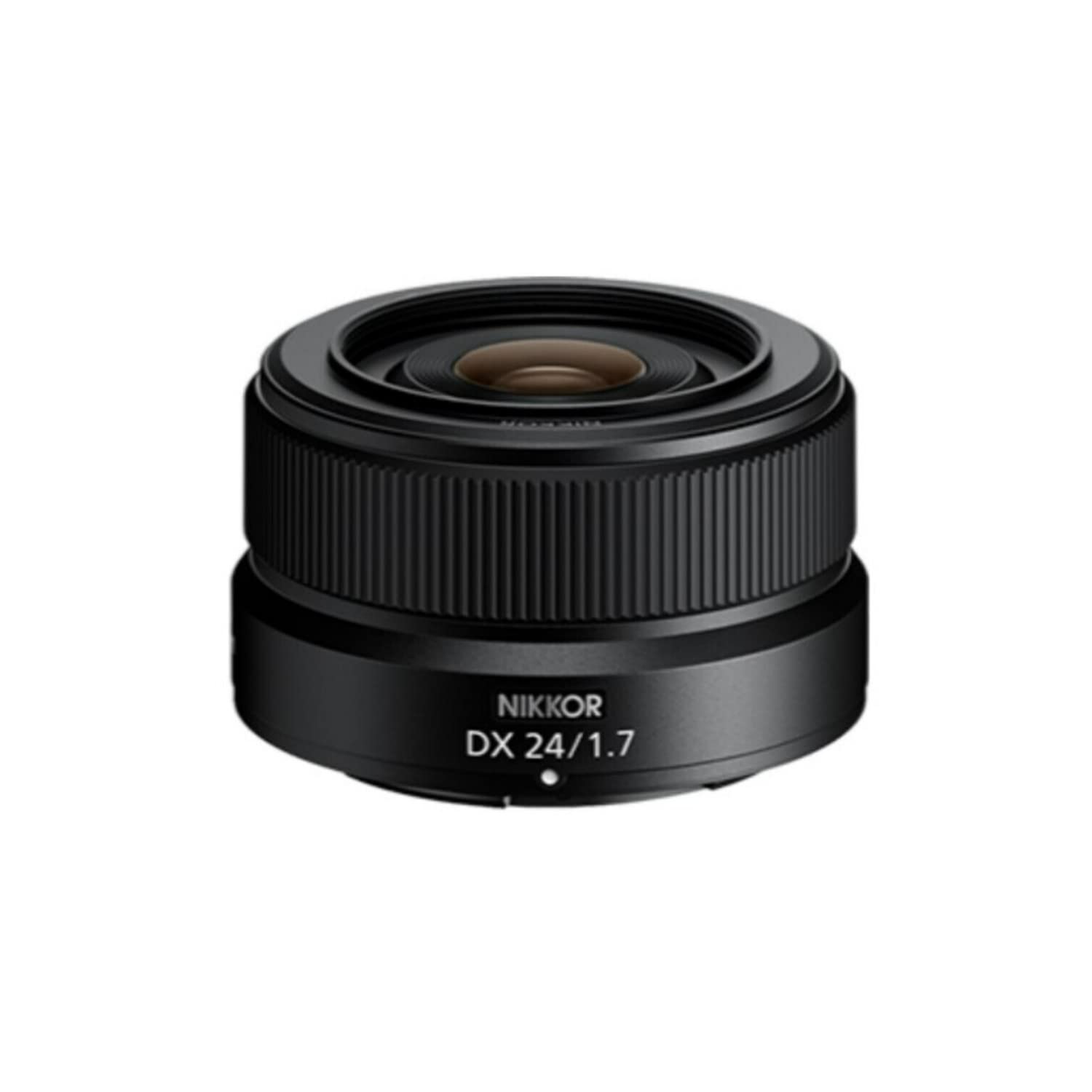
Nikon NIKKOR Z DX 24mm f/1.7

84 /100
Keeper Score Excellent

Key details

Weight
9.91 oz
Focal Length
24mm
Max Aperture
f/1.7
Minimum Focus
4.7 in
Check Price on Amazon

On a DX body this 24mm sees like a 36mm on full frame — the wide-normal angle that fits a room, a street, or a group without the stretch of a true ultra-wide. That is a useful place to land, and until recently crop-sensor Z owners had nothing fast there.

At 281 grams it is the smallest wide prime here, it focuses down to 4.7 inches from the front of the lens, and it is sealed against dust and drips. Autofocus is tuned for video, with suppressed focus breathing and no mechanical noise on the soundtrack.

Where we hesitate is the mount's future. This lens covers only a DX sensor, so on a full-frame Z body it works in crop mode and throws away most of the sensor you paid for. Buy it as part of a DX kit and it is a genuinely good, light, close-focusing wide; buy it as a stepping stone and you will be selling it later.

Pros

  • 36mm-equivalent field of view on DX
  • f/1.7 for a crop-sensor wide
  • Focuses to 4.7 inches
  • 281 g with dust and drip sealing

Cons

  • DX-only coverage limits full-frame use
Our verdict

For a DX Z body, this is the wide prime to buy: 36mm-equivalent framing, f/1.7 in low light, and close focus that makes it useful at the table.

Check Latest Price

How We Chose and Tested These Nikon Primes

We started by listing every Nikon prime currently sold new for both the Z mirrorless and F-mount DSLR systems, then cut anything that duplicated a focal length at a similar aperture, along with the exotics most people will never rent, let alone buy. That left eight lenses, which we shot over six months on the same two bodies so any difference in the files came from the glass and not the sensor behind it.

Most of the testing happened where people actually take pictures. I photographed friends on a rooftop at golden hour, worked a Saturday farmer's market with people walking toward me, and did a lot of low-light shooting in a kitchen lit by a single overhead bulb. To judge sharpness and image quality, each lens went on a tripod and was shot wide open and again at f/4, then the files were compared side by side at 100 percent, corners included. For bokeh and portrait work, I looked at whether backgrounds fell into a smooth wash or broke into rings, and whether eyelashes stayed crisp at maximum aperture.

Autofocus got the most scrutiny, since a lens that hunts in dim light is no use at a candlelit dinner or a birthday party at dusk; I counted keepers from bursts of someone walking toward the camera indoors, and checked that the manual focus ring moved finely enough to fine-tune by hand. I also hunted for chromatic aberration against backlit branches and chrome highlights, and weighed value honestly — a couple of these only sharpen up after you stop down, which changes what they're worth.

How to Choose a Nikon Prime Lens

Match the Mount Before Anything Else

A Z-mount lens fits Z bodies and nothing else. An F-mount lens fits DSLRs, and on a Z body it needs an adapter in the path. That single fact splits this group cleanly in two, and it should decide where you start reading.

Format matters just as much. A DX lens on a full-frame body works in crop mode, throwing away most of the sensor you paid for, which is why the DX 24mm and the DX 35mm are buys for crop cameras rather than bargains for everyone. The trap here is buying by reputation: a beloved DSLR lens is still an F-mount lens, and its price advantage disappears if you have to adapt it to a camera you bought to leave adapters behind.

Choose a Focal Length by What You Photograph

Twenty-four to 35mm covers rooms, streets, and groups at a table. Fifty is the generalist, the one that matches how a scene looks when you raise the camera. Eighty-five and beyond is for people and details, where compression flatters and distance gives you room to work.

On a crop body, multiply by 1.5: a 35mm becomes a 52.5mm and a 50mm becomes a 75mm. That is why the DX 35mm is the normal lens on a D5600 and the full-frame 50mm is a portrait lens on the same camera. Pick the angle first and the aperture second — a fast lens at the wrong focal length is still the wrong lens.

What the Extra Aperture Buys, and What It Costs

Going from f/1.8 to f/1.4 buys light and separation, but price and weight climb faster than the benefit does. The f/1.8 primes here are sharp from wide open, which makes the aperture a working setting rather than a badge; the f/1.2 at the top of the range is a two-and-a-half-pound specialist.

Our rule of thumb: f/1.8 handles most available-light shooting, including indoor events at sensible ISO settings. Pay for the exotic apertures when portraits are the job and the rendering is the reason you shoot, not because a bigger number looks better on paper.

Autofocus, Video, and Focus Breathing

Stepping motors are the quiet ones, and quiet matters once you record. The 35mm f/1.4 and the 40mm f/2 both suppress focus breathing and let the control ring change aperture silently, which is what keeps a clip from jumping when you reframe.

Macro is the exception to fast-focus expectations: the 105mm sweeps its full range before it settles, because that is how it finds a subject at 1:1. Pre-focus roughly where the subject will be, let the lens finish the job, and the slowness stops registering.

Weight and Sealing Decide Whether It Comes With You

Six ounces rides in a jacket pocket; two and a half pounds needs a plan. Sealing is the other half of the same question: the 85mm f/1.8 S and the 105mm macro are sealed against dust and drips, the 40mm f/2 is not, and knowing which lens you can take out in weather is worth more than a marginal gain in resolution.

We would rather carry the lighter lens that is with us than the better one that stays home, which is why the smallest prime here earns a place near the top of the list despite giving up a little specification.

Frequently Asked Questions

Final Verdict

The Nikon NIKKOR Z 50mm f/1.8 S is the lens we point most Nikon owners to, and nothing in this group changes that: a normal view, an aperture that is already sharp wide open, and a size that still fits a small bag.

If you photograph people more than anything else, the 85mm f/1.8 S is the upgrade worth making. On a DSLR, the 50mm f/1.8G does the same job for a fraction of the outlay, and on a crop-sensor DSLR it is the 35mm f/1.8G that should come first.